Ilmac Lausanne 2026 continues to grow and strengthens its role as Western Switzerland’s life sciences platform
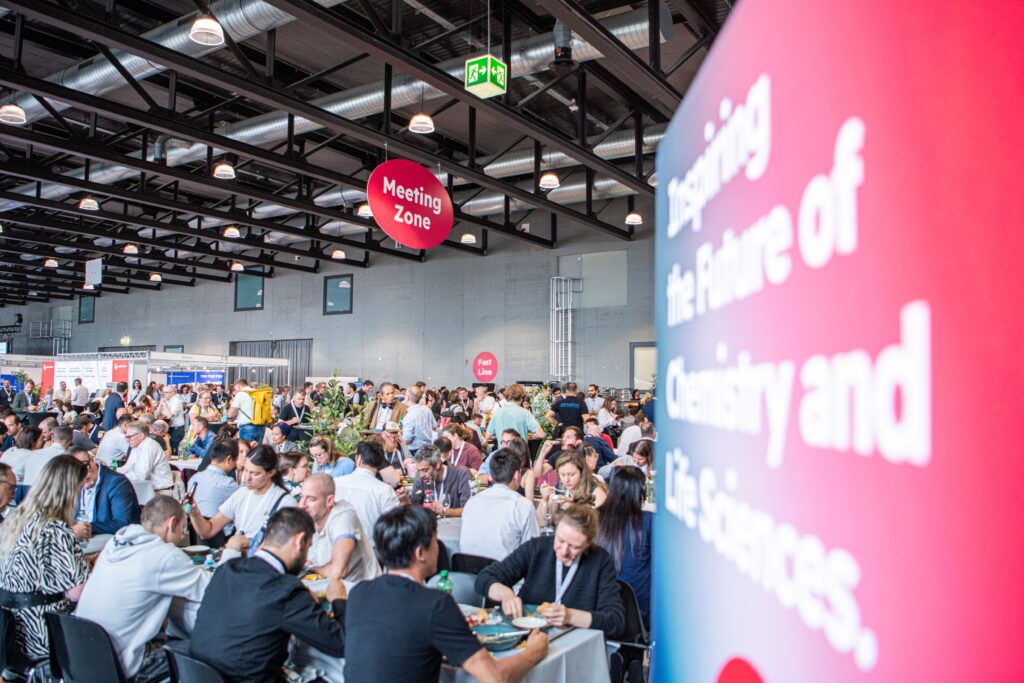
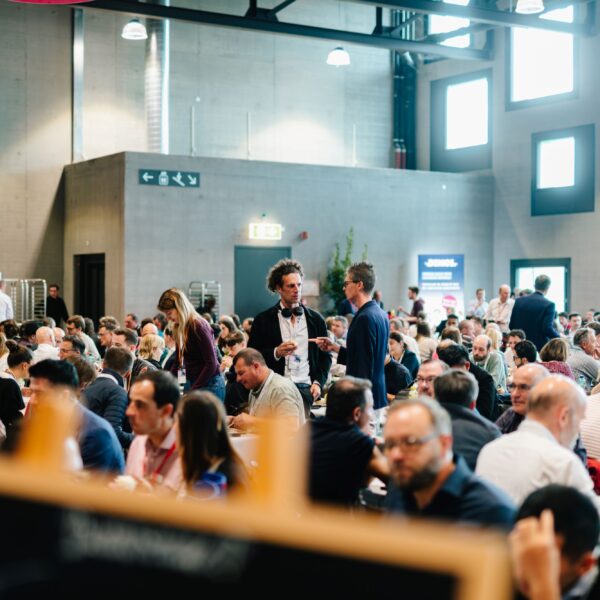
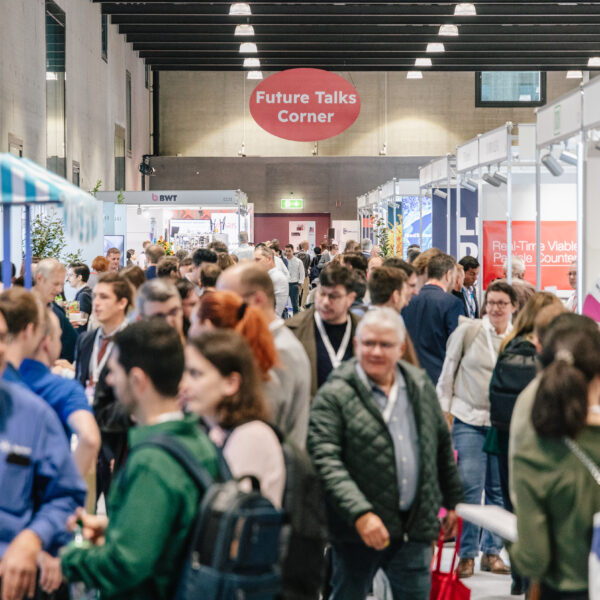
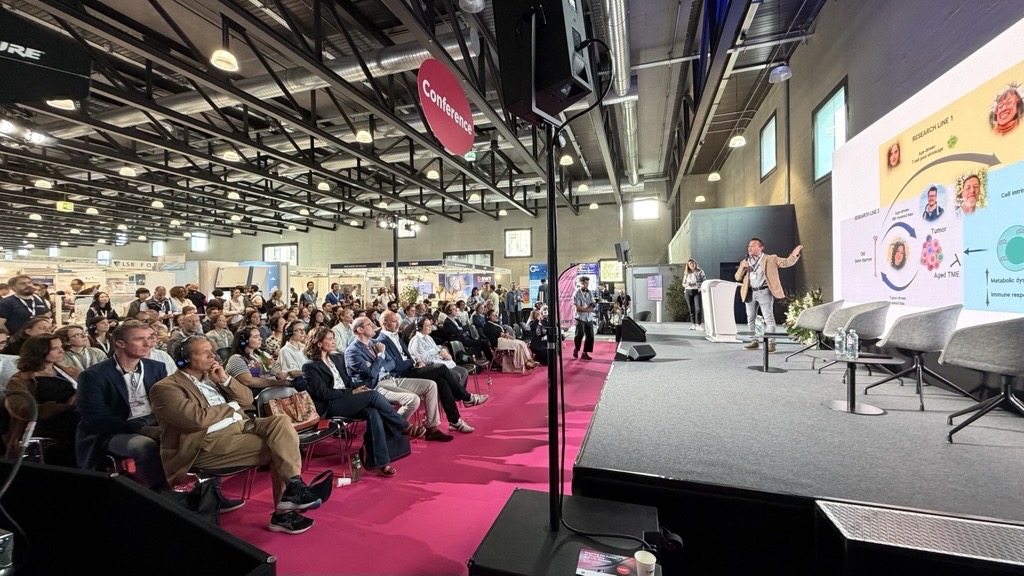
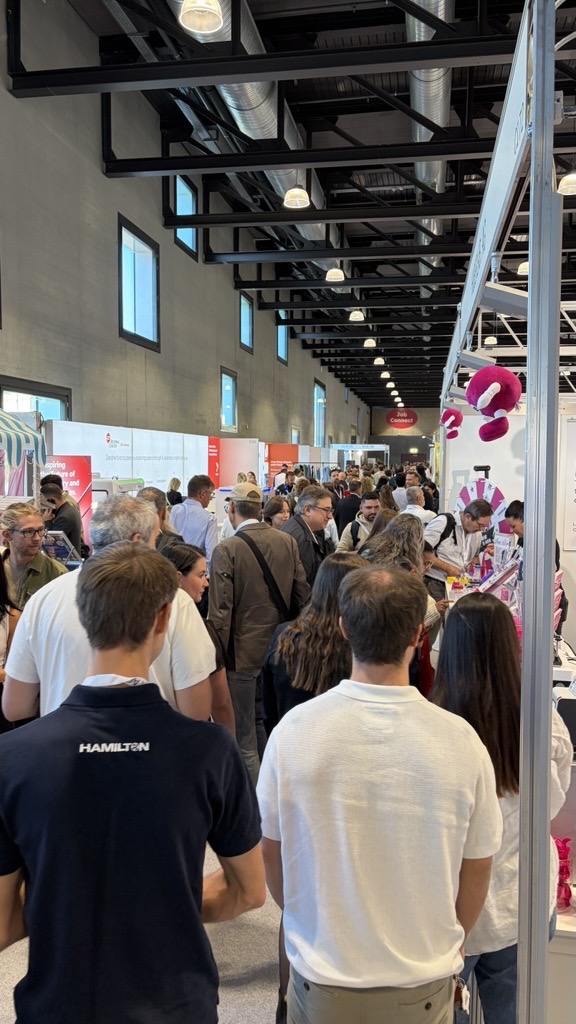
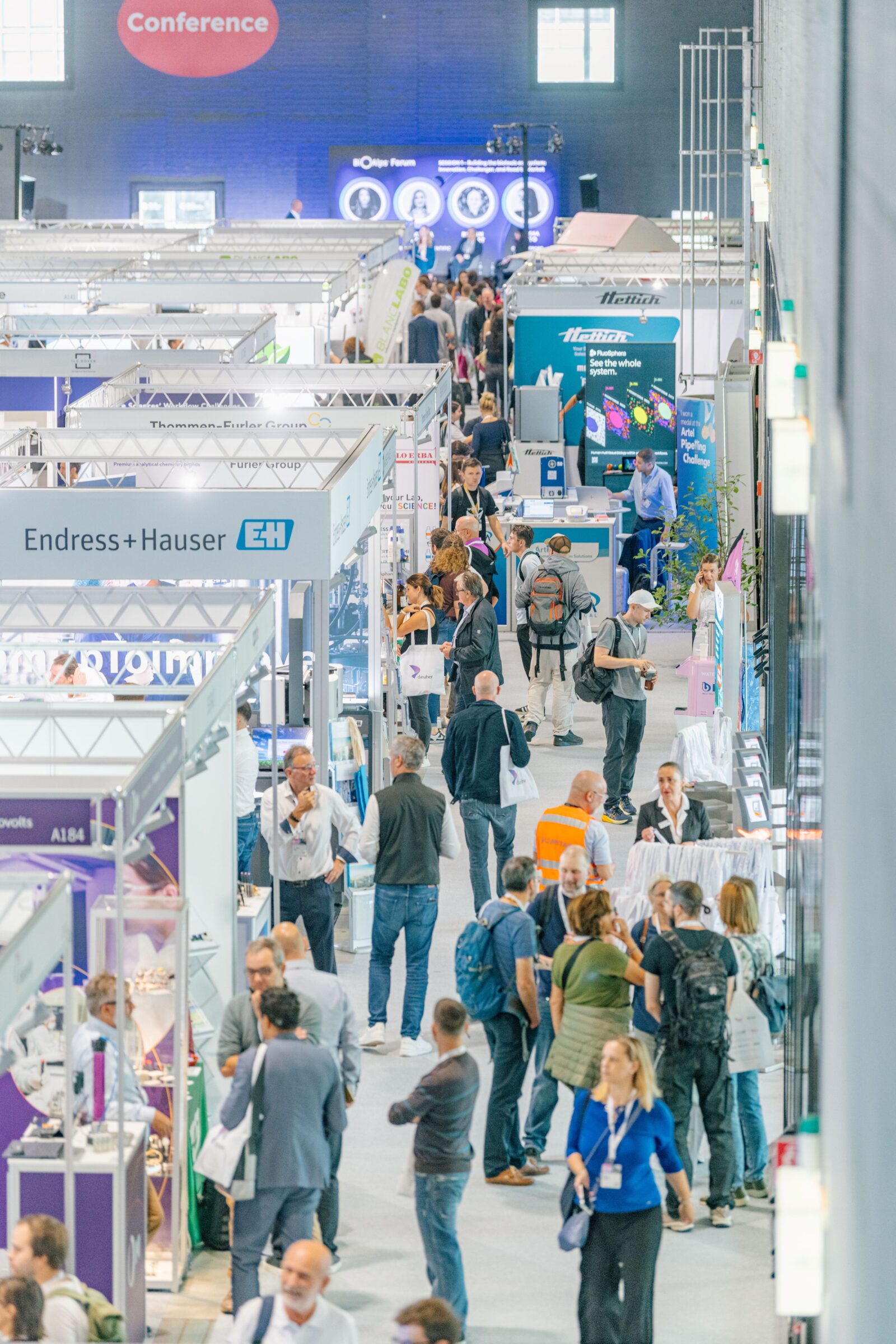
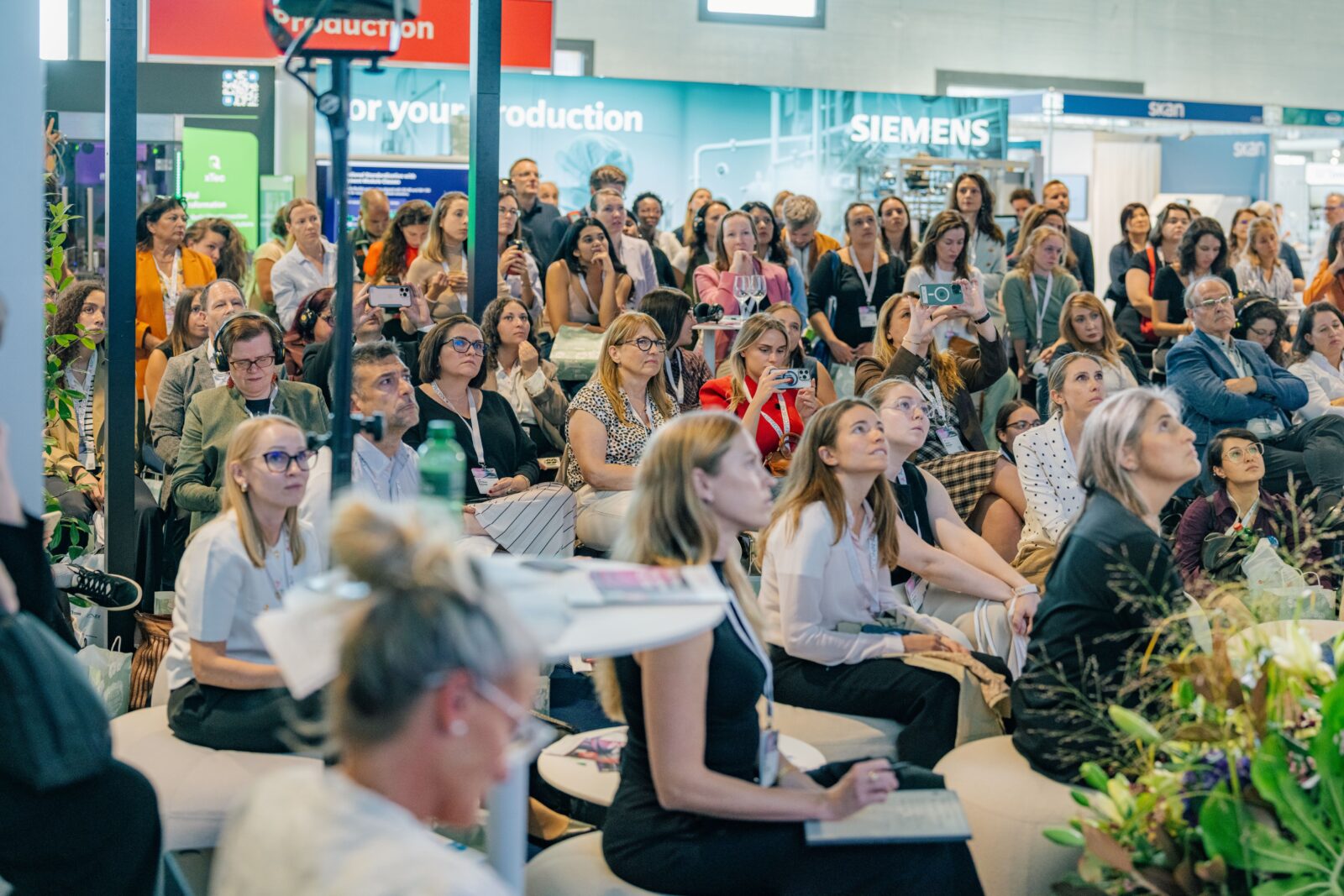
Ilmac Lausanne 2026 has concluded after two exhibition days with clear growth: 3,952 participants – 18.6% more than in 2024 – attended the event, alongside 213 exhibitors, representing an increase of 7% compared with the previous edition. Exhibition space also grew. More than 70 expert presentations, pitches and discussion formats focused on key future topics including automation, artificial intelligence, Process Analytical Technology and biotech. A fully booked Startup Area, concrete partnership and project enquiries, and the Future of Life Sciences Area held in Lausanne for the first time underline Ilmac’s growing importance as a platform for innovation and business in Western Switzerland.
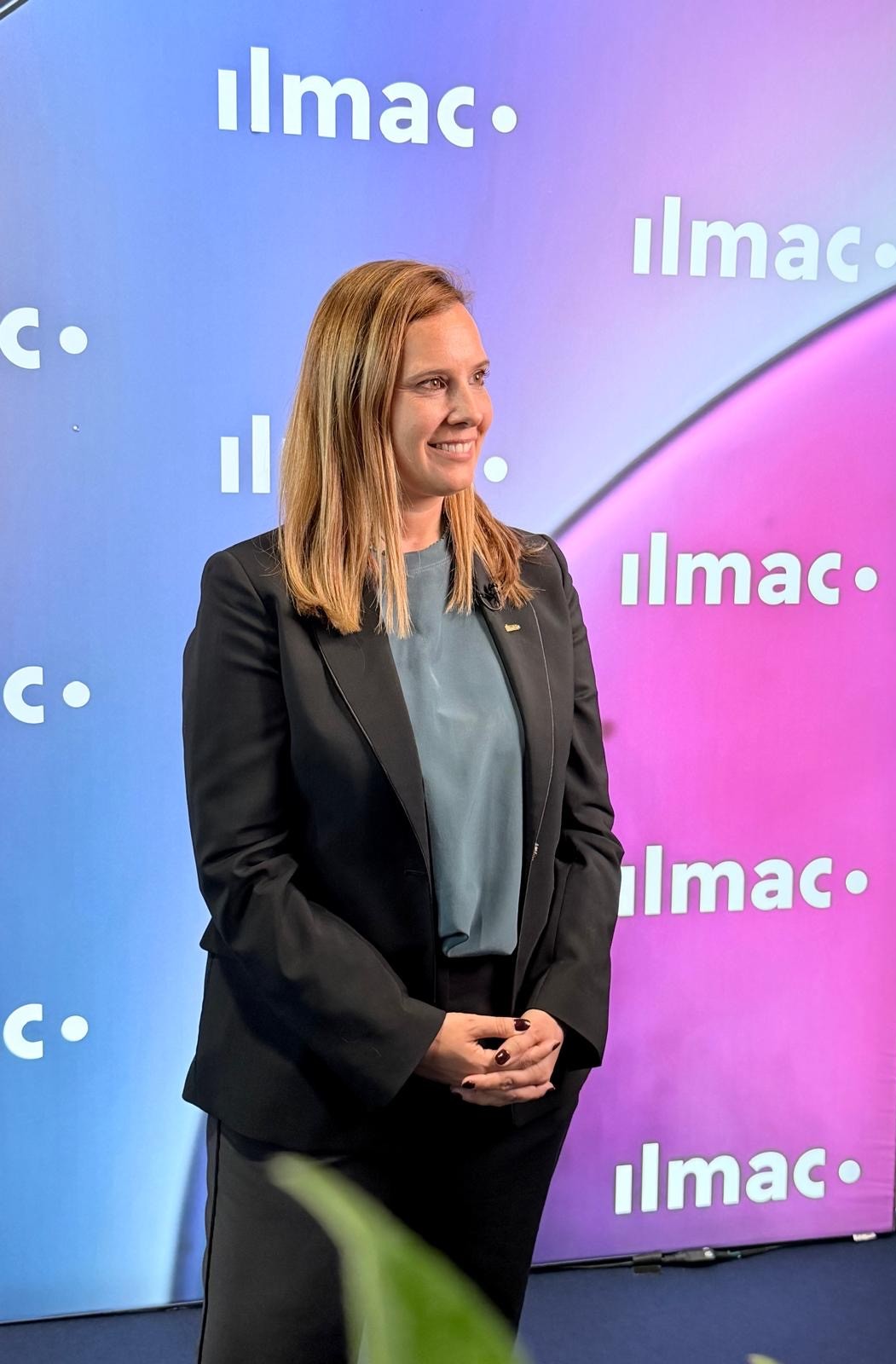
The renewed increase in visitor numbers confirms Ilmac Lausanne’s growing relevance as a meeting place for companies, researchers, technology providers and professionals from Western Switzerland and beyond. “Ilmac stands for quality, relevance and targeted networking within the life sciences and chemical industries. It is a carefully curated platform that brings the right industry participants together: exhibitors, content, speakers and visitors are connected with a clear focus on quality, relevance and decision-making authority. Ilmac Lausanne has demonstrated particularly clearly how important this format is for the industry. It brings technology, science and industrial practice together, creating tangible collaborations, projects and business opportunities. The high quality of the discussions and the strong presence of decision-makers confirm this ambition. At the same time, Ilmac Lausanne creates an important bridge to Western Switzerland and complements Ilmac Basel ideally” says Céline Futterknecht, Exhibition Director of Ilmac.
Michael Staudinger, Managing Director of Endress+Hauser (Switzerland) Ltd, agrees: “The future of the chemical and life sciences industry is created where innovative technologies, research and practical expertise come together. Ilmac Lausanne provides a unique platform for this and demonstrates how modern process automation can sustainably improve quality, efficiency and safety in production processes while preparing companies for the future. For Endress+Hauser, Ilmac Lausanne was also a valuable opportunity to engage directly with specialists from research, development and engineering.”
Tangible business opportunities at the heart of the event
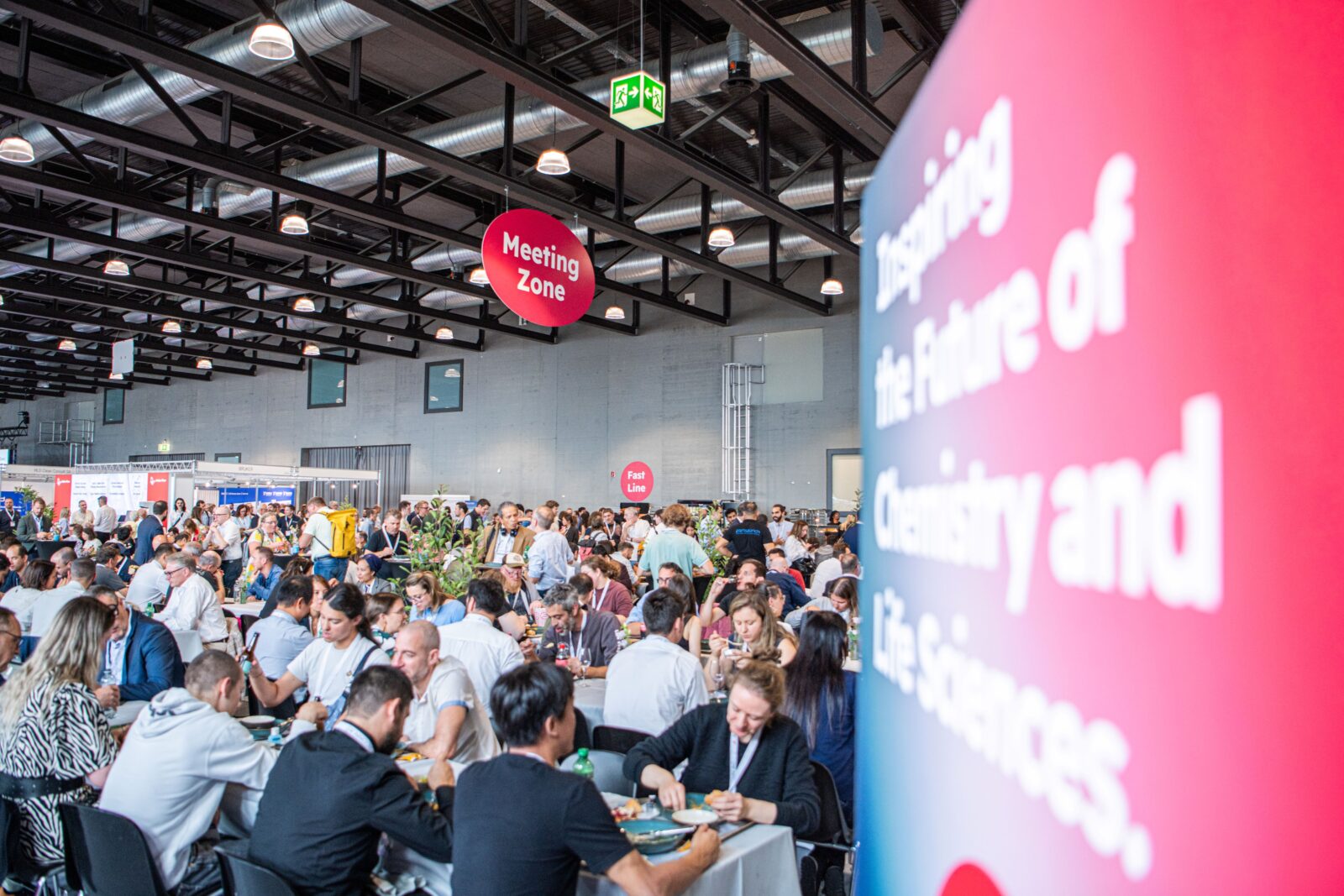
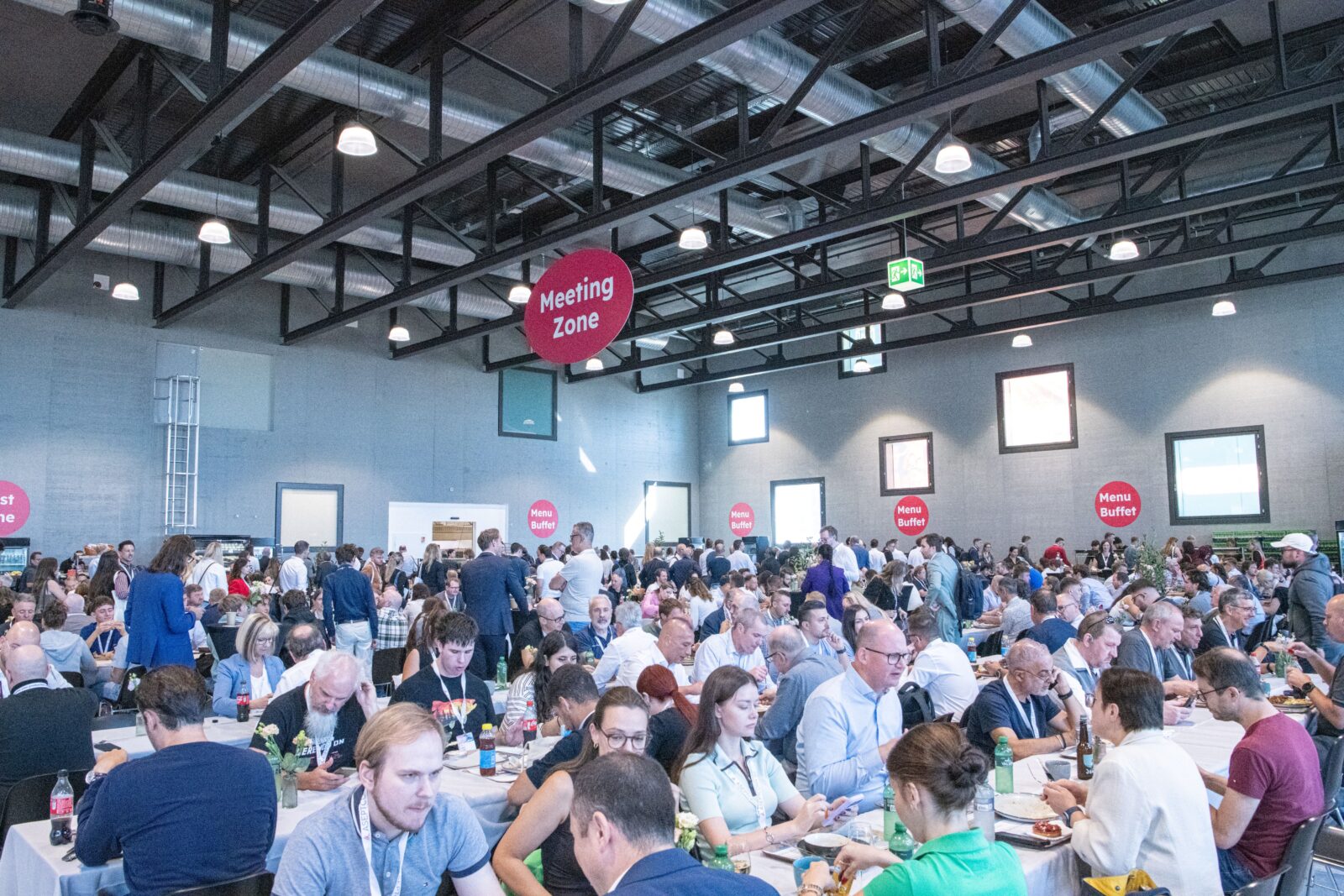
Alongside knowledge transfer, business development was a central focus throughout the two days. Exhibitors reported high-quality conversations, new leads, concrete project enquiries and follow-up contacts. The Networking Lunch, Networking Apéro and exchanges throughout the exhibition halls provided further opportunities to strengthen existing relationships and initiate new partnerships.
The event also highlighted the importance of the sector to Western Switzerland as a business and innovation location. Isabelle Moret, State Councillor and Head of the Department of Economy, Innovation, Employment and Heritage of the Canton of Vaud, emphasised the importance of the life sciences industry to the region’s economic and technological development during the Networking Apéro.
“Socorex has been a loyal exhibitor at Ilmac for more than 30 years. We meet not only our Swiss distribution partners there, but also laboratory professionals from a wide range of industries. This diversity is a real strength of Ilmac, and we were delighted to return to Lausanne this year with our liquid-handling instruments,” says Yves Lachavanne, Marketing & Sales Support Manager at Socorex Isba SA.
Agilent Technologies Switzerland adds: “Ilmac Lausanne offers Agilent a unique opportunity to engage with the scientific community in French-speaking Switzerland, showcasing not only our innovative laboratory solutions but also the strength of our local sales, service and applications teams. Together, we help our customers turn analytical challenges into actionable insights and measurable outcomes.”
Technology and data are transforming laboratories and production
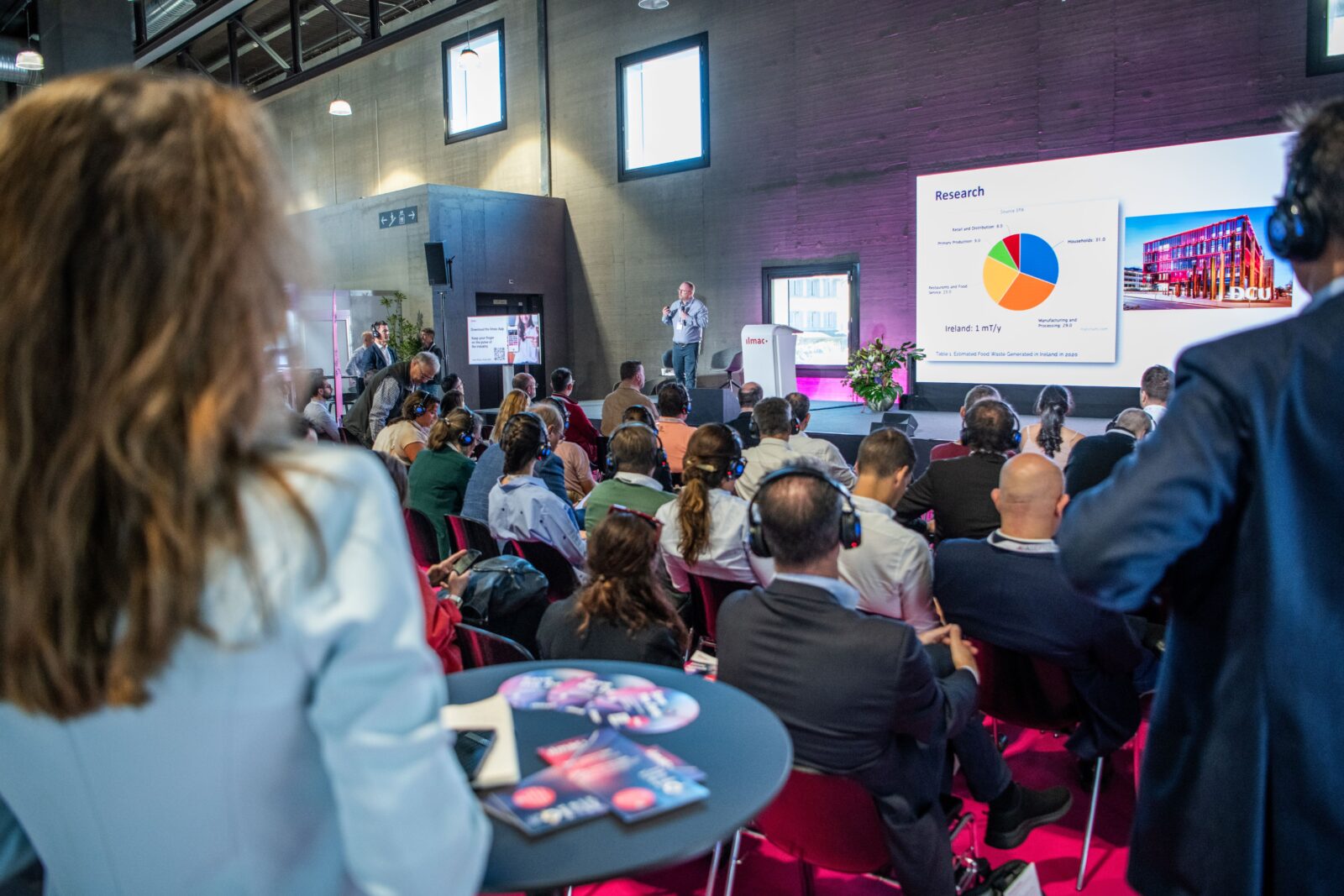
More than 70 presentations, pitches and discussion formats across several stages highlighted key areas of transformation within the industry. The first day focused on Process Analytical Technology (PAT) and explored how data-driven process monitoring, digital models and automation can improve quality, efficiency and sustainability in production processes. The second day was dedicated to biotech, biotools and the Swiss life sciences ecosystem. Together with partners including the Swiss Chemical Society, BioAlps, the Canton of Vaud, Innovaud and the Swiss Biotech Association, the programme explored how new technologies can be transferred more rapidly from research and development into practical applications. International speakers added further perspectives. Professor Brian Freeland of Dublin City University examined the use of Process Analytical Technologies, digital twins and data-driven models to make bioprocesses more efficient and sustainable.
The contributions highlighted a clear message: the future competitiveness of the industry will increasingly depend on how successfully data, automation, biotechnology and industrial implementation are brought together.
Future of Life Sciences Area makes emerging technologies tangible
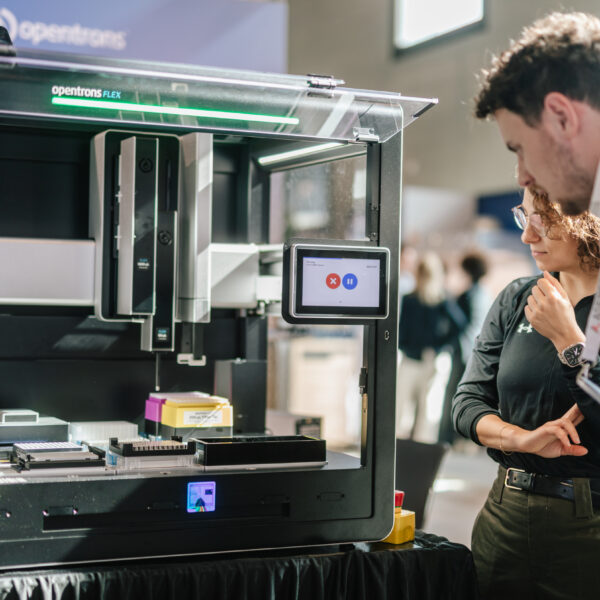
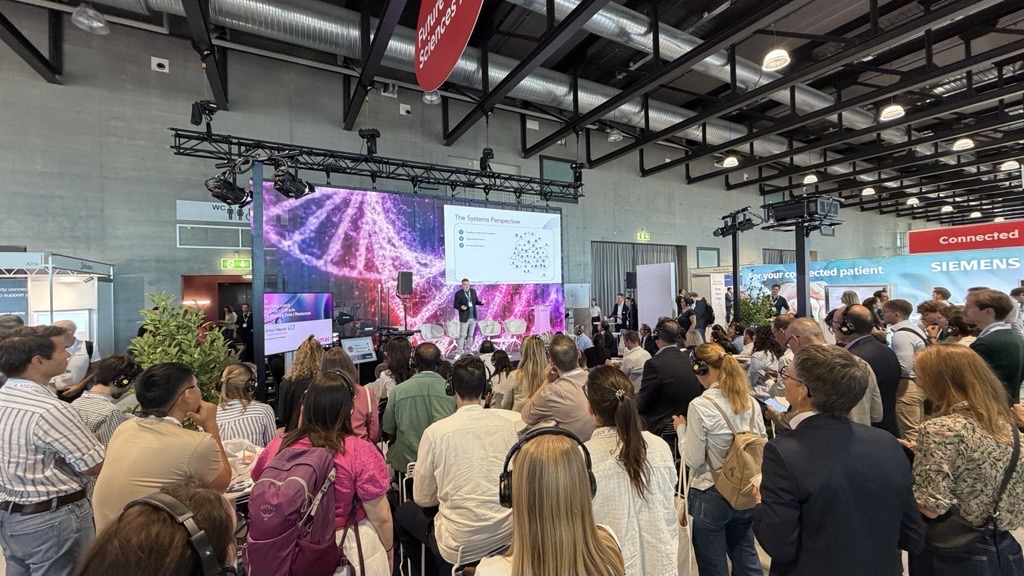
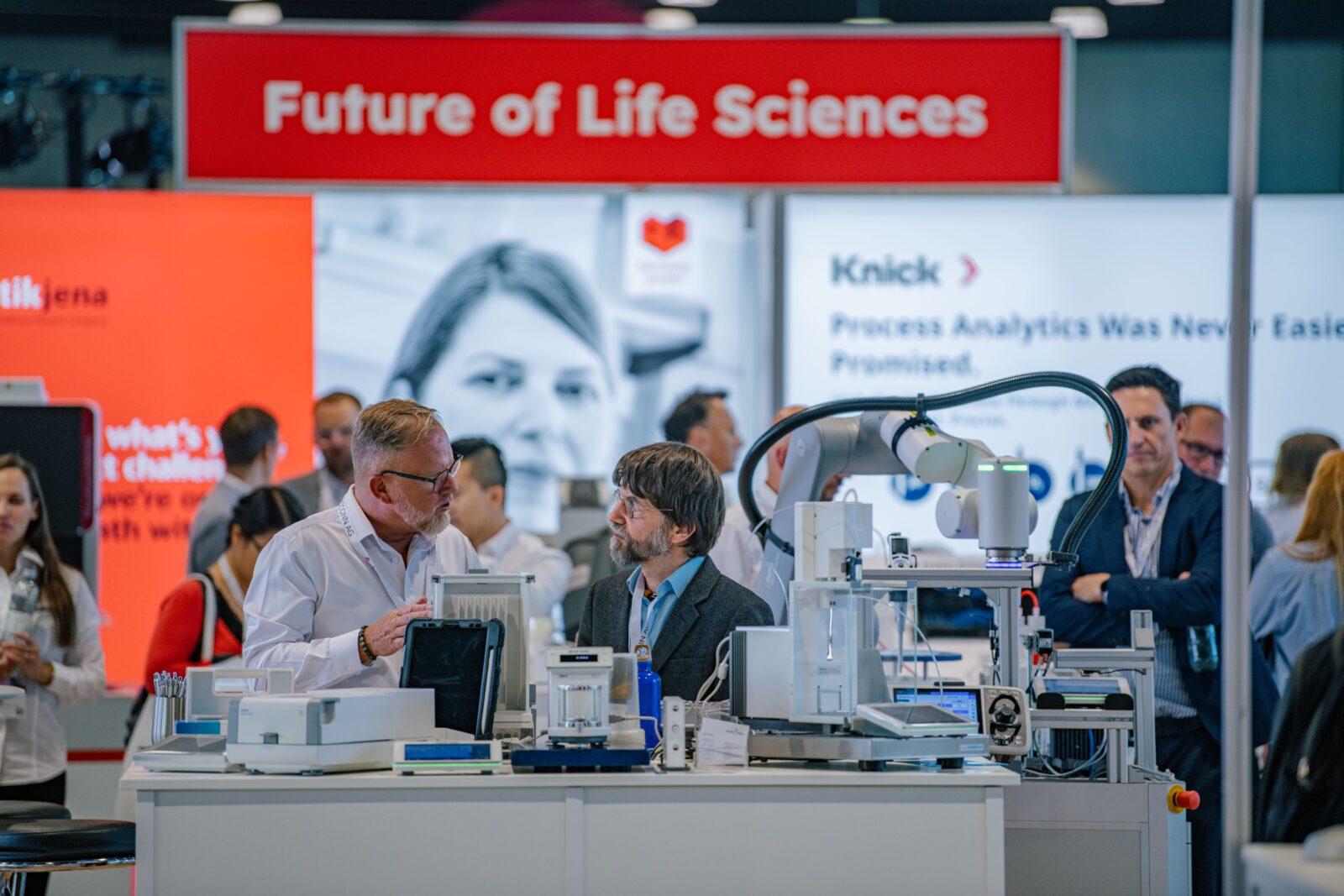
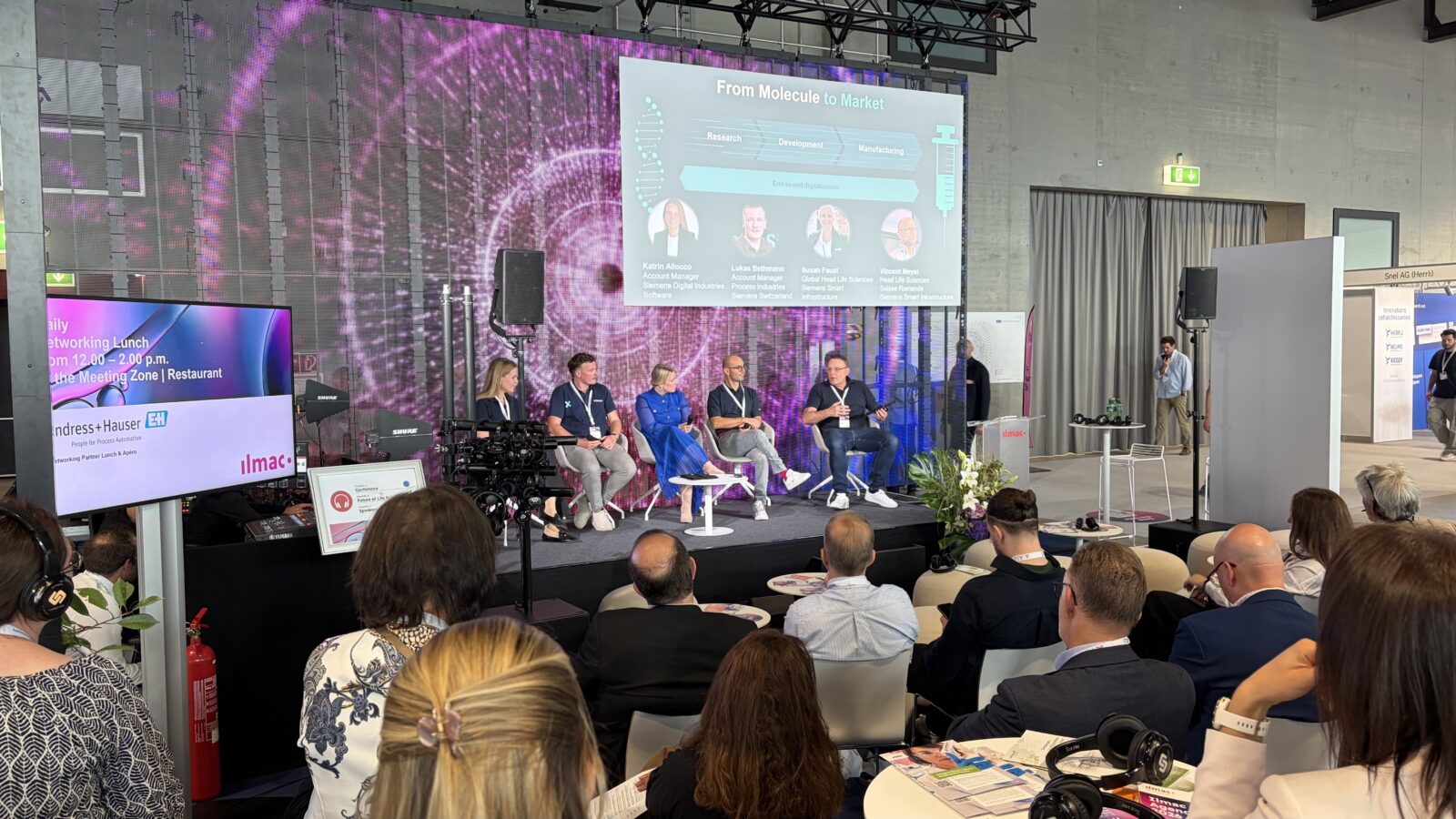
Held in Lausanne for the first time, the Future of Life Sciences Area broadened the event’s content offering. Together with Siemens, HDI, Laborplaner Tonelli and other partners, it showcased developments in automation, artificial intelligence, laboratory planning and industrial digitalisation through practical applications and future scenarios.
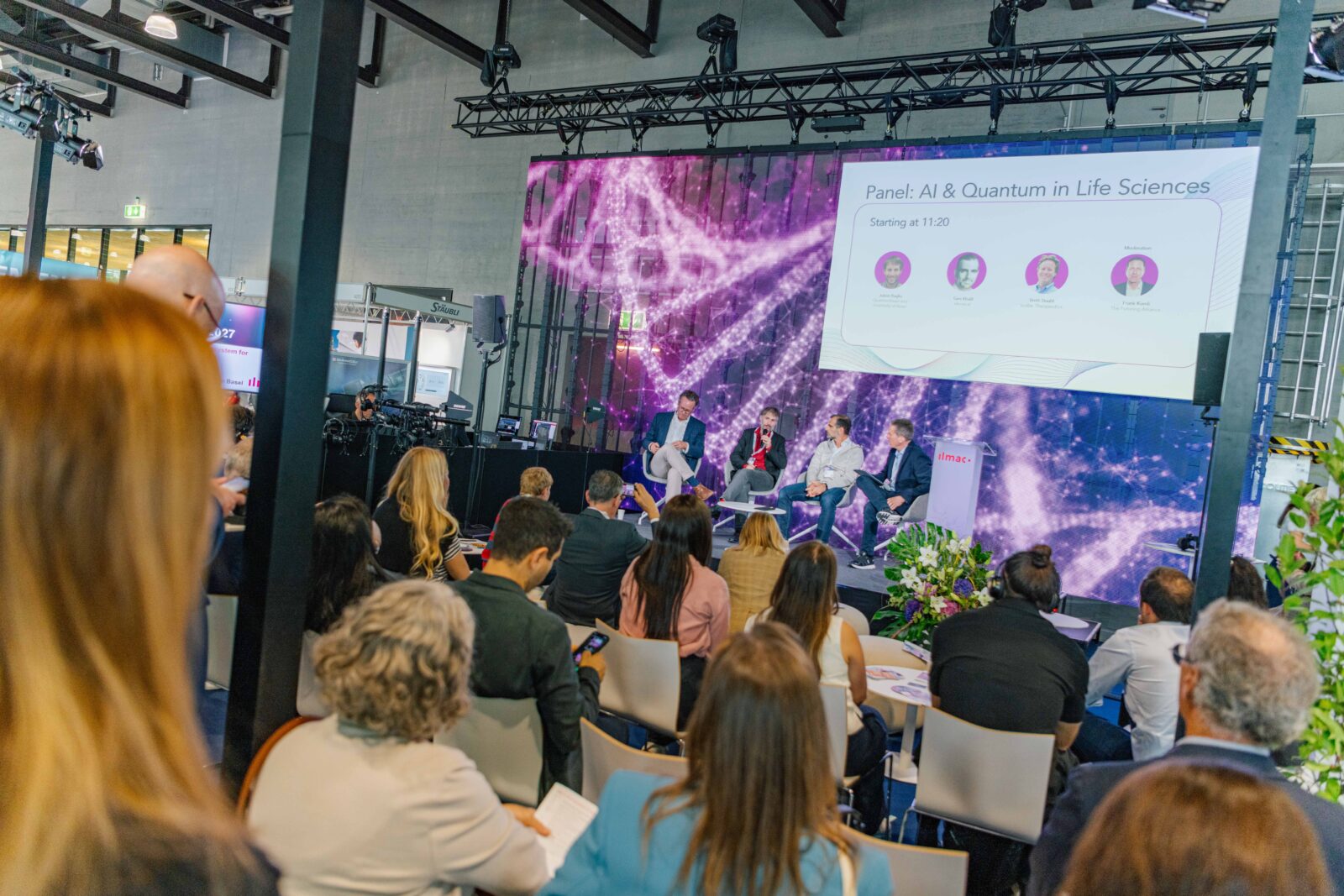
Day one focused on the Laboratory of the Future, exploring how laboratories are evolving into more connected, data-driven and automated working environments. Day two turned to AI & Quantum Computing and their impact on research, production and decision-making across the life sciences.
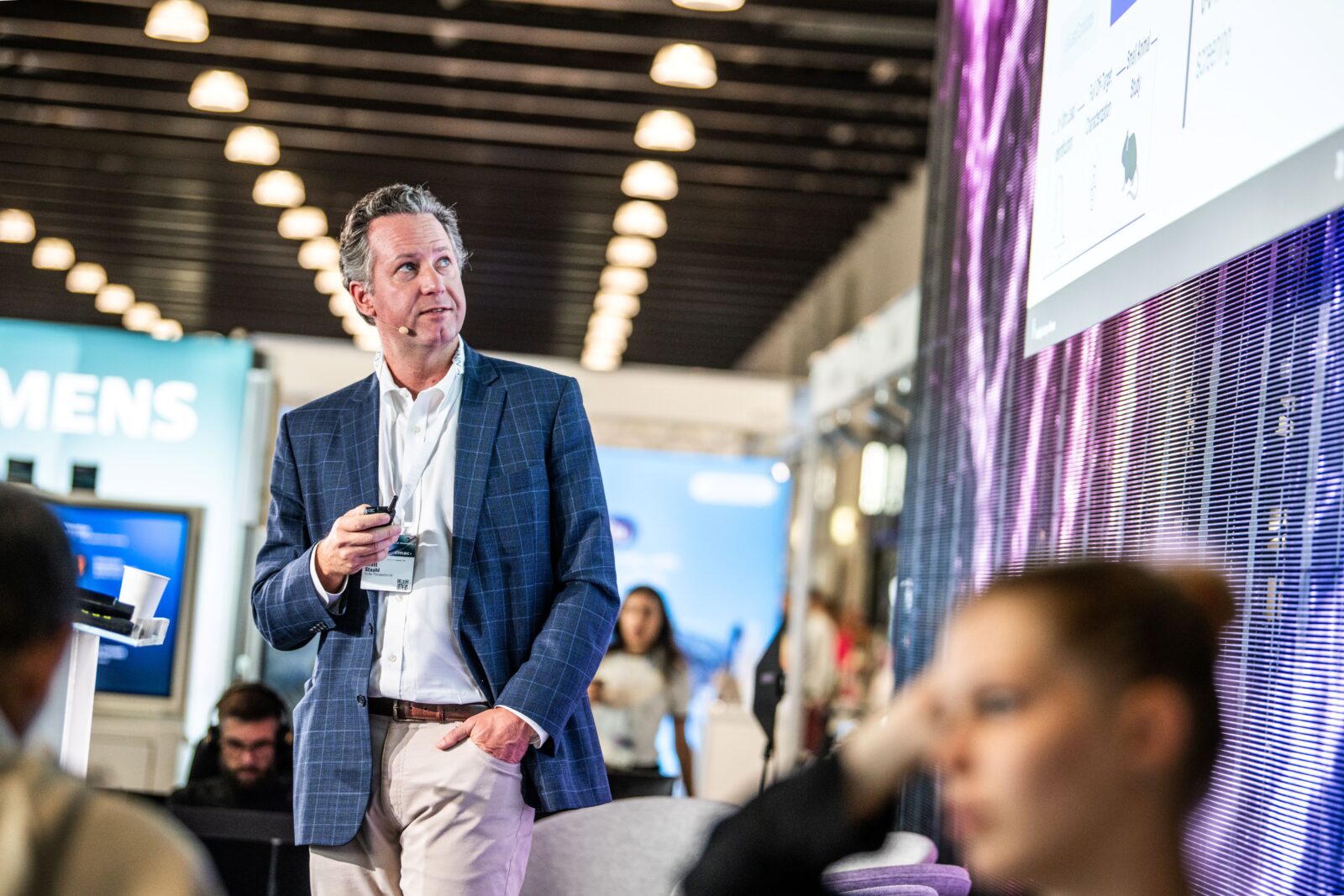
Brett Staahl, Co-Founder and VP External Innovation at Scribe Therapeutics in the United States, demonstrated how gene-editing technologies and artificial intelligence are transforming therapy development. Showcases, expert contributions and discussion formats demonstrated that many emerging technologies already have practical applications today, while also creating new requirements in terms of skills, infrastructure, regulation and collaboration.
“The first Future of Life Sciences Area at Ilmac Lausanne created a fantastic space to explore how new technologies and changing needs will shape the industry. Excellent speakers, lively panel discussions and innovative exhibitors highlighted the opportunities for companies in Switzerland to innovate, collaborate and remain competitive,” says Frank Kumli, moderator of the Future of Life Sciences Area and Co-Founder of The Futuring Alliance.
Fully booked Startup Area connects young companies with industry
The Startup Area was fully booked before the event opened, with all 18 curated places allocated. Young companies from Switzerland and across Europe presented their technologies and business models in direct exchange with industry, research and potential investors.
The live pitches led to concrete follow-up discussions and partnership enquiries. Ilmac therefore gave young companies access to established industry players while offering industry and research organisations insights into emerging technologies and new business models.
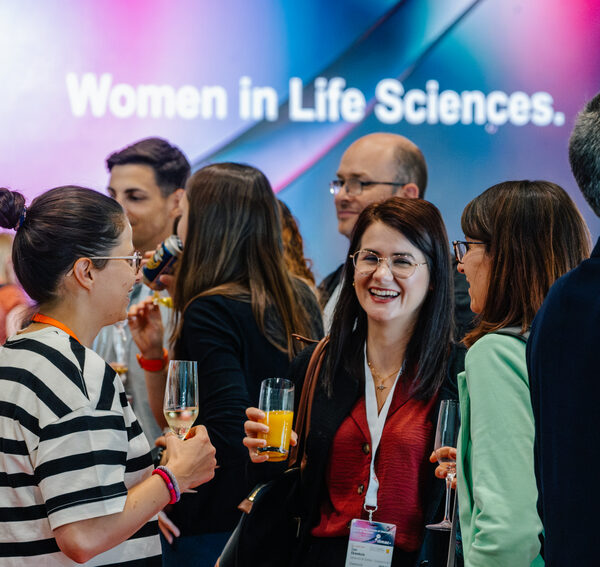
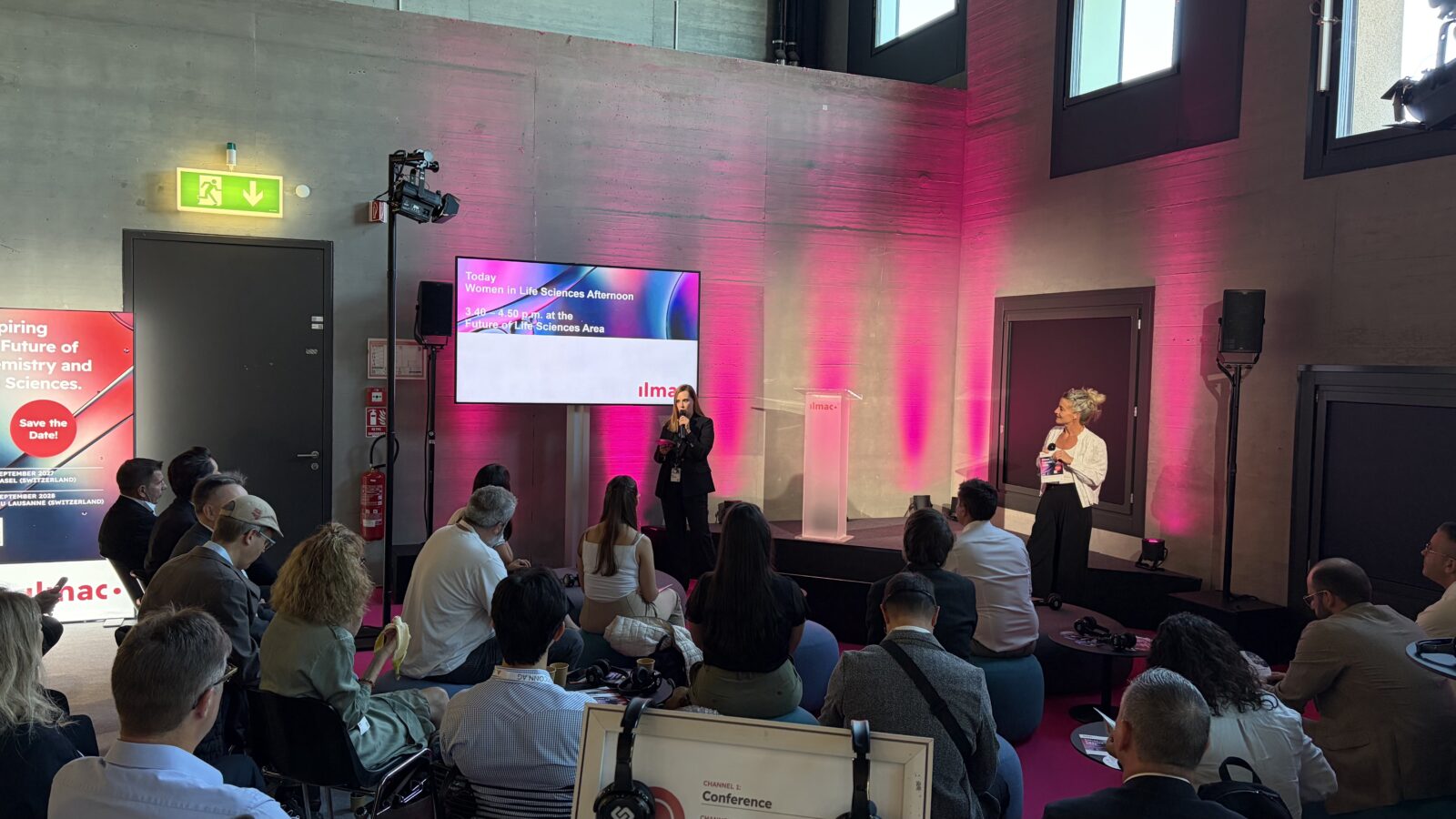
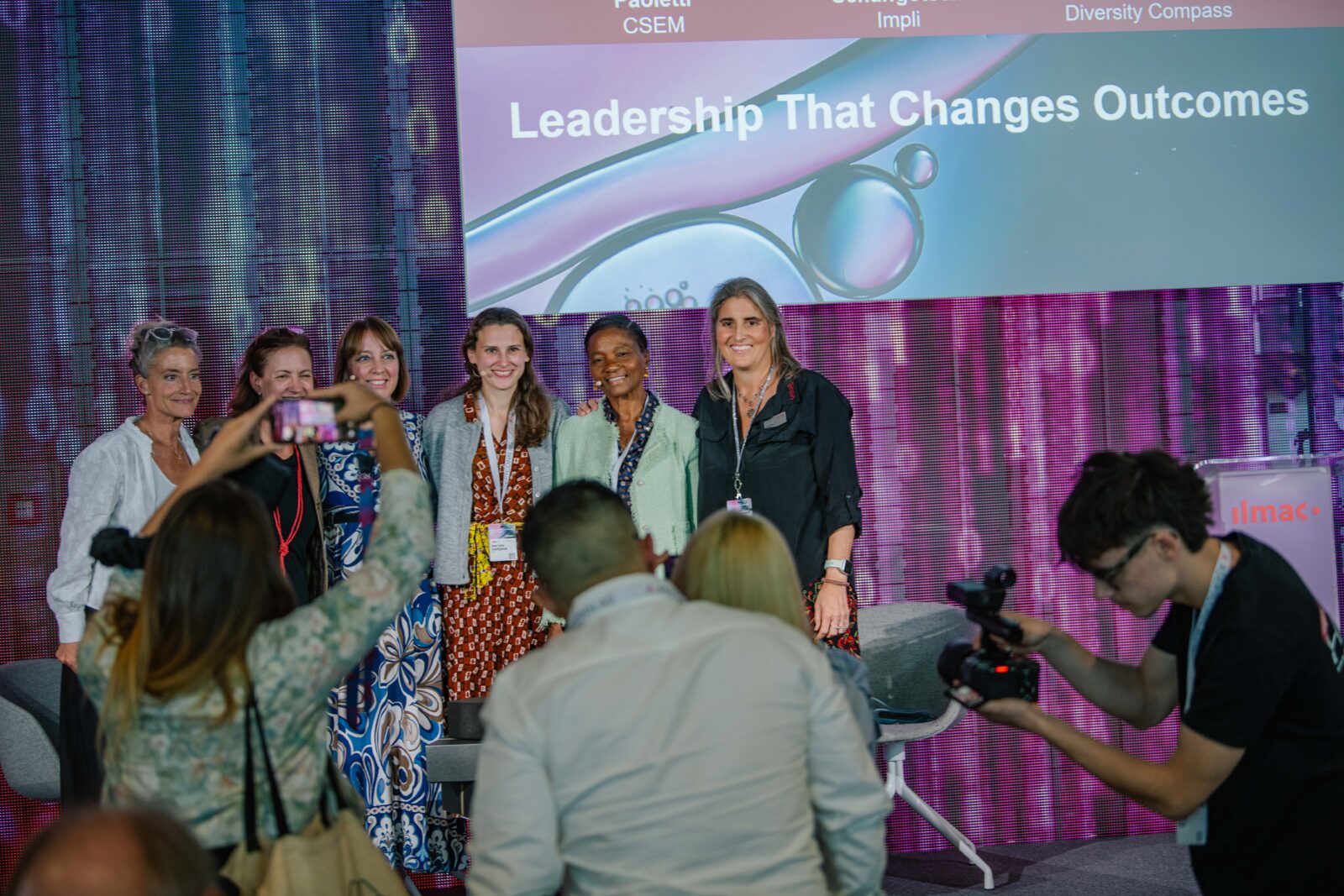
The Women in Life Sciences format, held in Lausanne for the first time, also added a new dimension to the programme. Discussions focused on diversity, leadership and the Gender Health Gap, as well as how a broader range of perspectives and talent can contribute to the future development of the industry.
The Speakers Corner complemented the programme with concise expert presentations on product innovations, practical applications and current industry topics.
Lausanne and Basel: two platforms, one strong bridge
With its locations in Lausanne and Basel, Ilmac creates an important bridge between two key regions of Switzerland’s chemical and life sciences industry. Both platforms strengthen the visibility, connectivity and continued development of Switzerland as a business location, while also reinforcing its position within the European market. Lausanne provides focused access to the strong life sciences community in Western Switzerland and enables close, personal exchange in a compact two-day format. Ilmac Basel brings together national and international market participants on a broader scale. Together, the two trade fairs complement each other ideally and create momentum for innovation, collaboration and competitiveness – in Switzerland and beyond.
Save the date
The next Ilmac Basel will take place from 21 to 23 September 2027 at Messe Basel.
The next Ilmac Lausanne will follow on 20 and 21 September 2028 at Expo Beaulieu Lausanne.
Further information is available at www.ilmac.ch.
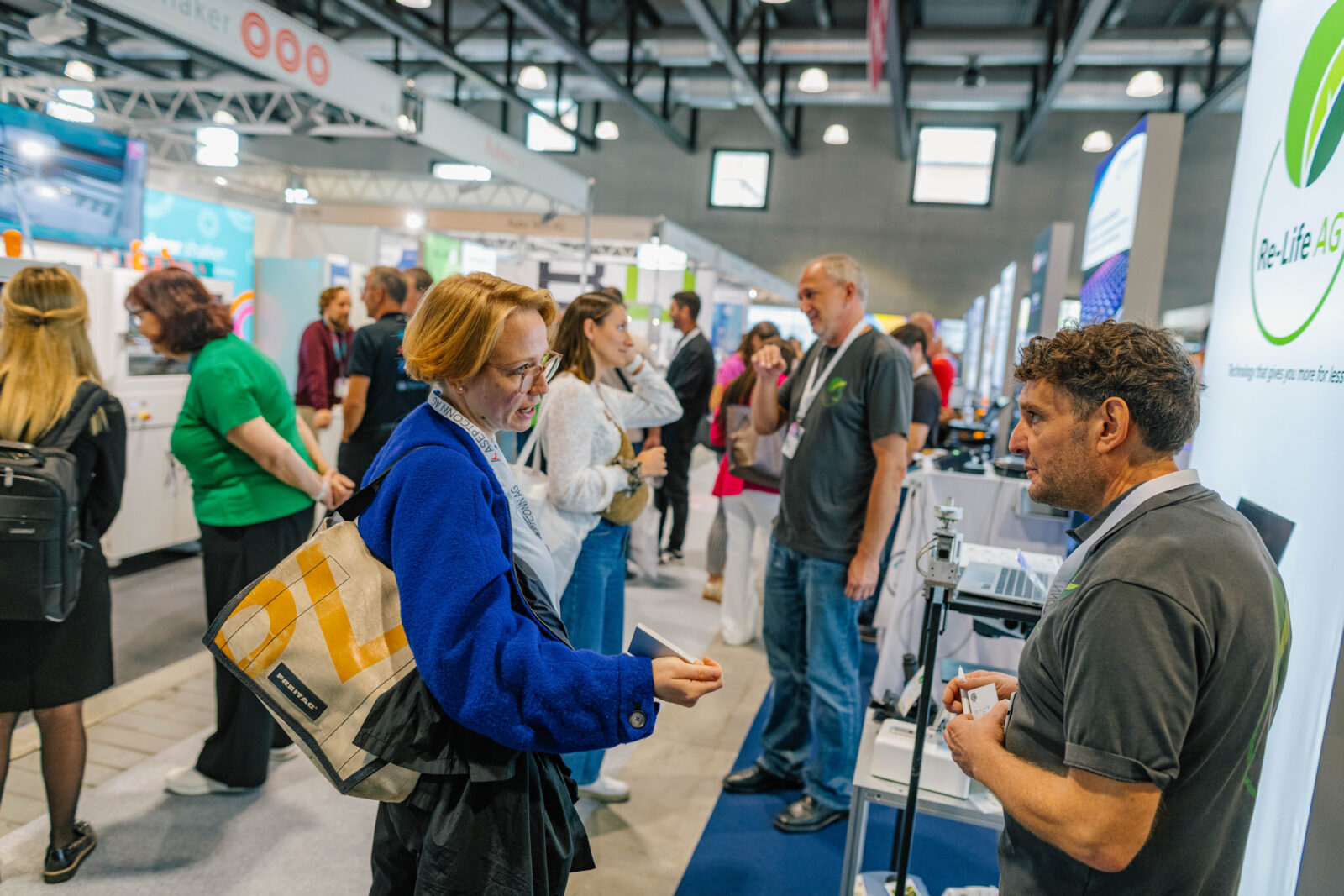
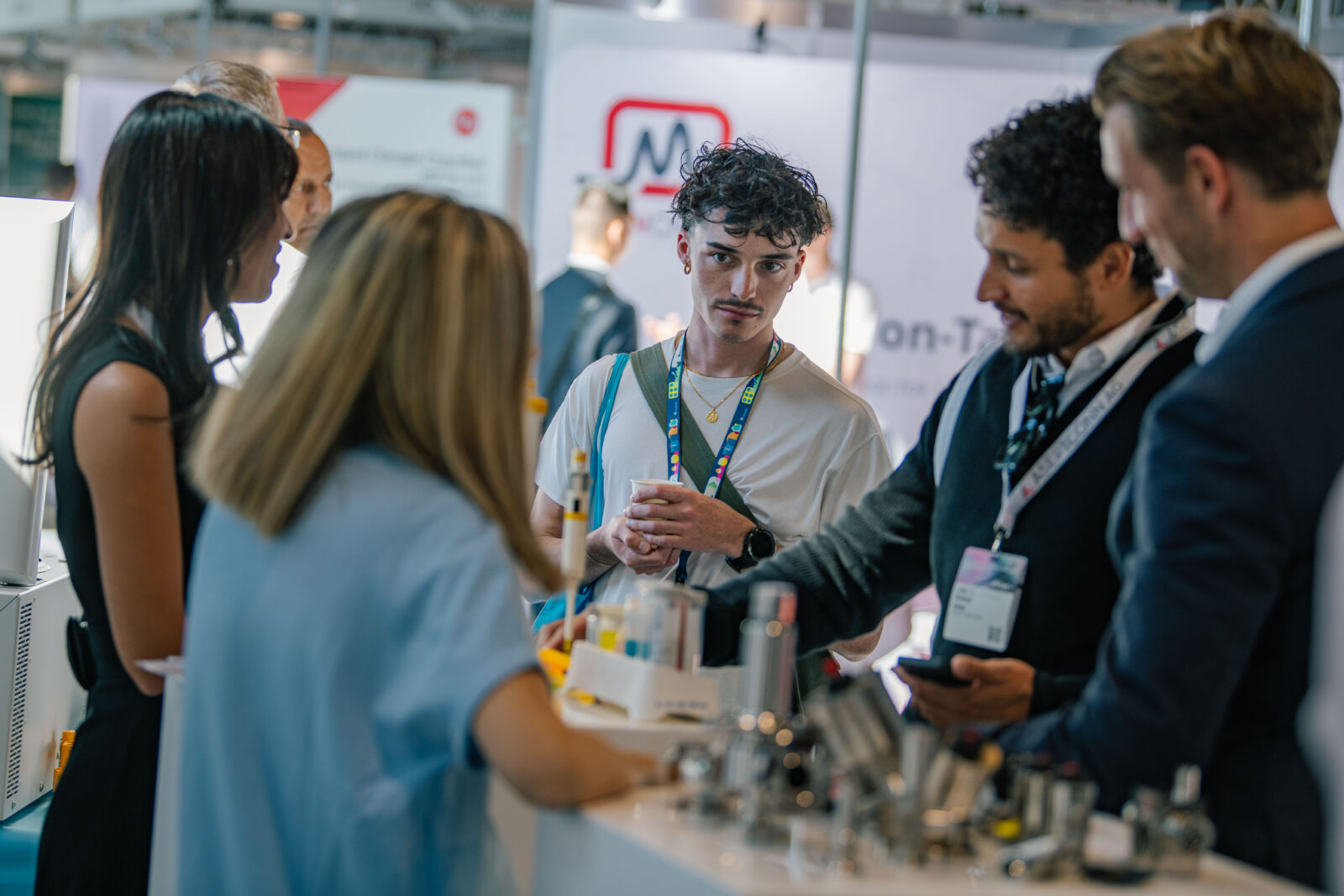
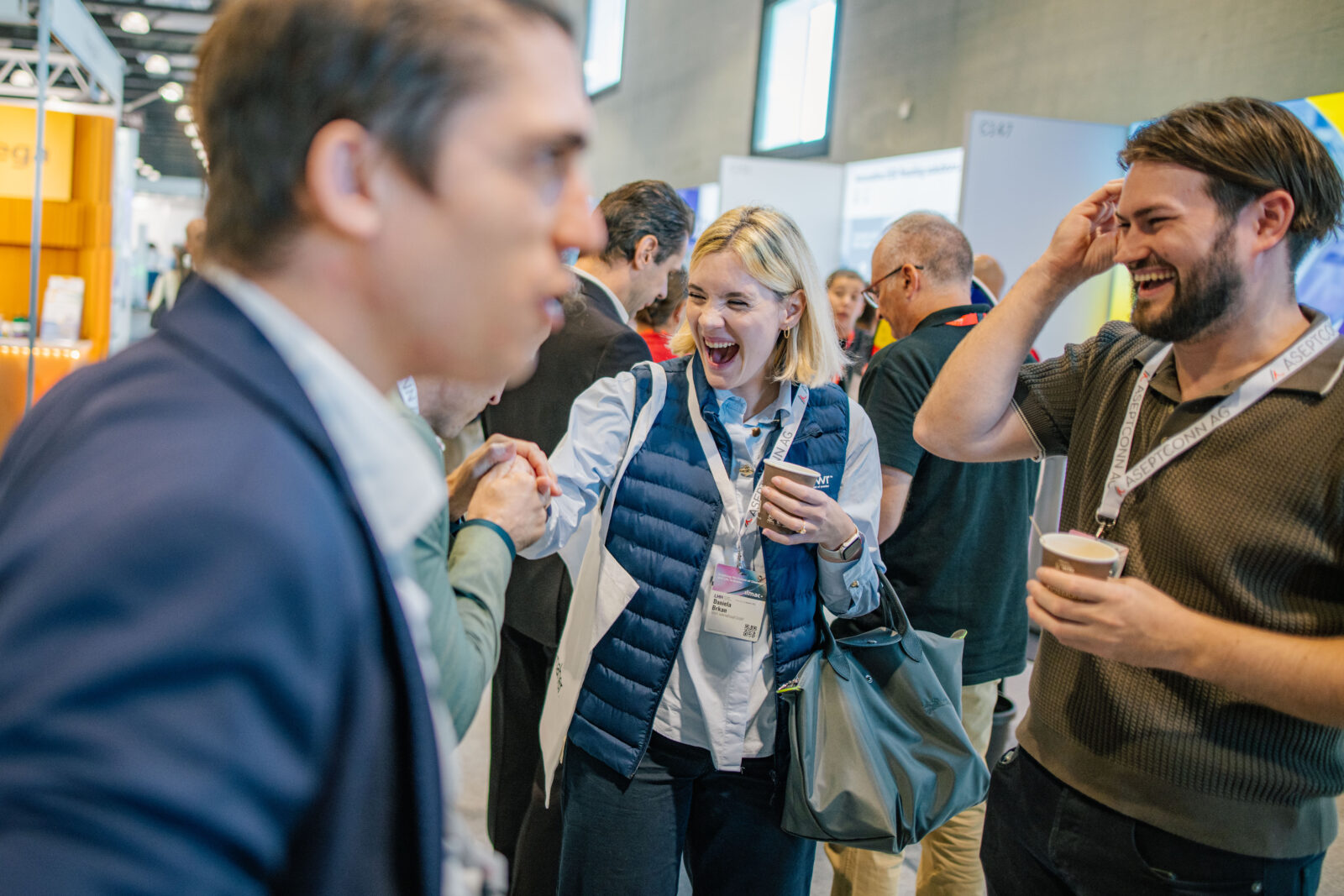
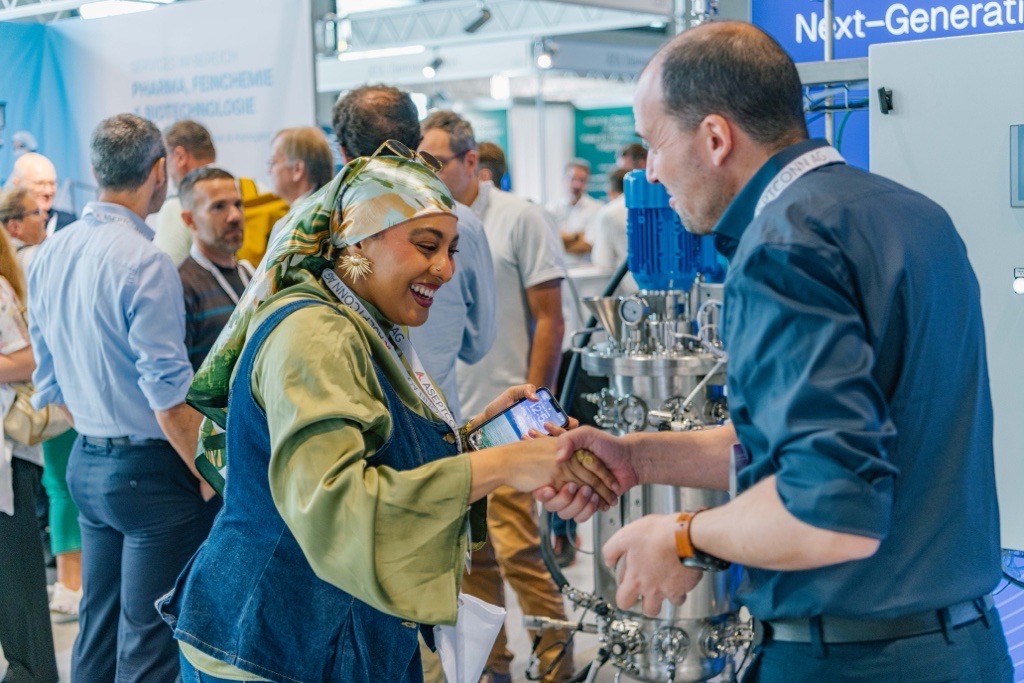
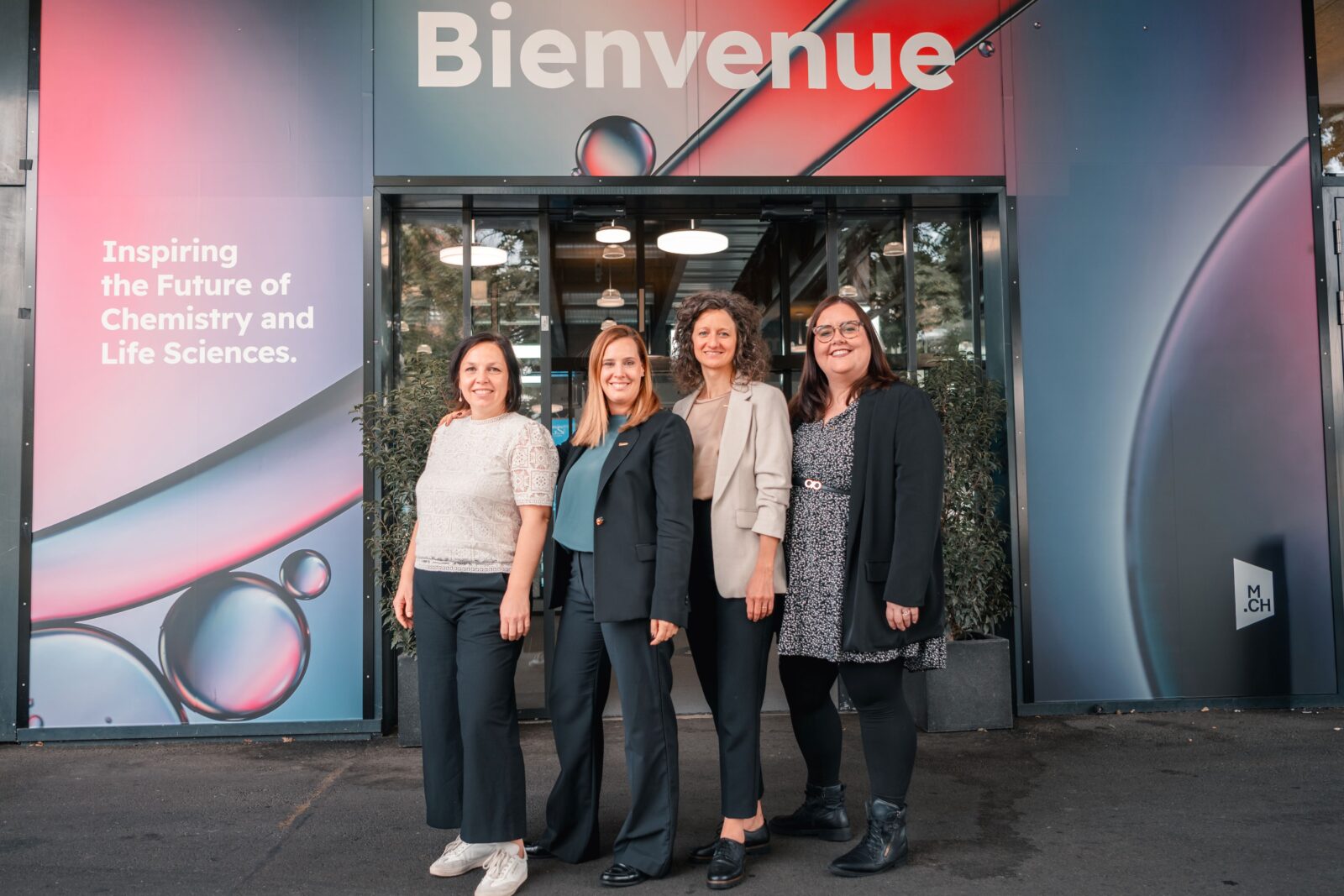
Impressions Ilmac Lausanne 2026
Aftermovie 2026