Life Sciences in 2040: Insights from Ilmac Lausanne 2026 on Turning Science Into Impact

Switzerland has deep scientific expertise, an established life sciences industry and a reputation for quality. The question for 2040 is how quickly these strengths can become useful advances in research, manufacturing and care.
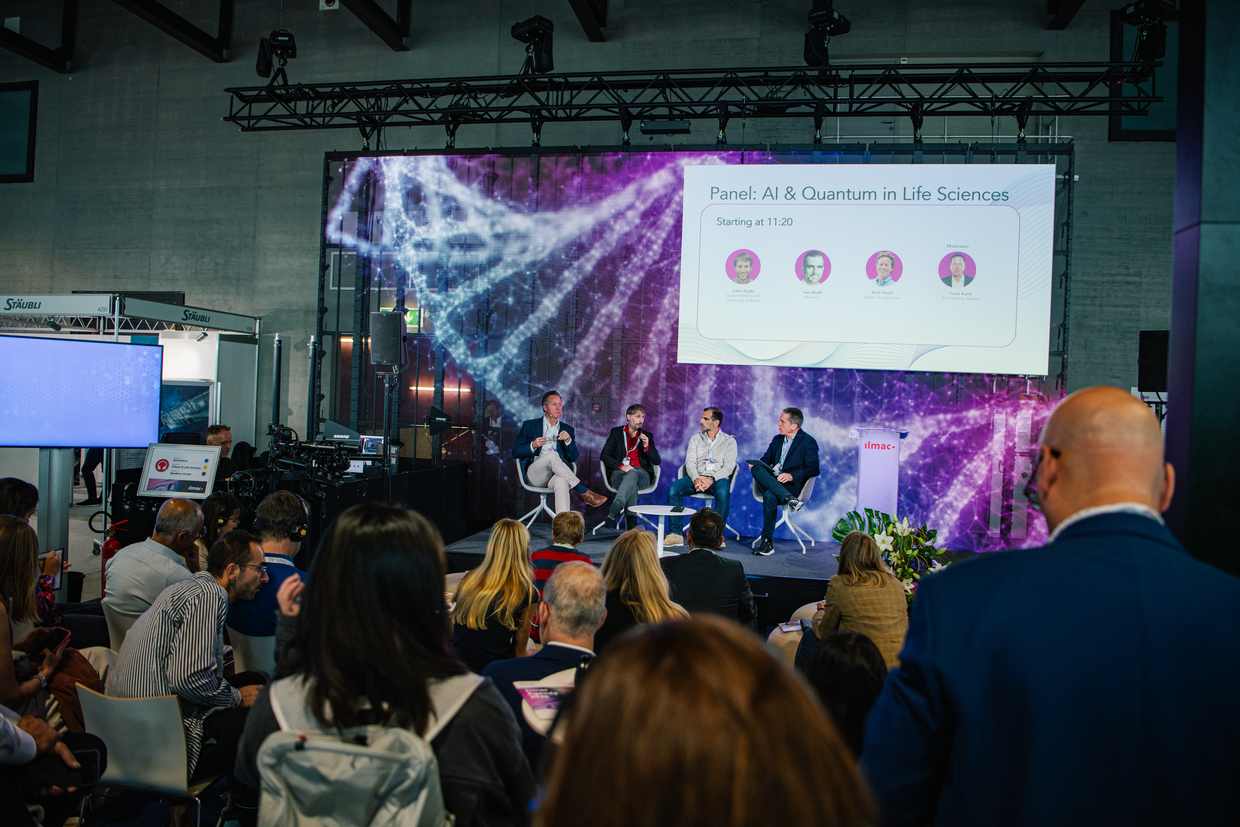
At Ilmac Lausanne, The Futuring Alliance explored two connected shifts. Laboratories are becoming shared, adaptable infrastructure for innovation. AI and quantum technologies could change how knowledge is generated and put to work across the life sciences value chain. In both cases, the advantage will depend on how well technology, people and organizations learn together.
The 16 hypotheses below are not predictions. They help us examine what is changing, what could become possible and which choices Switzerland and its companies face now.
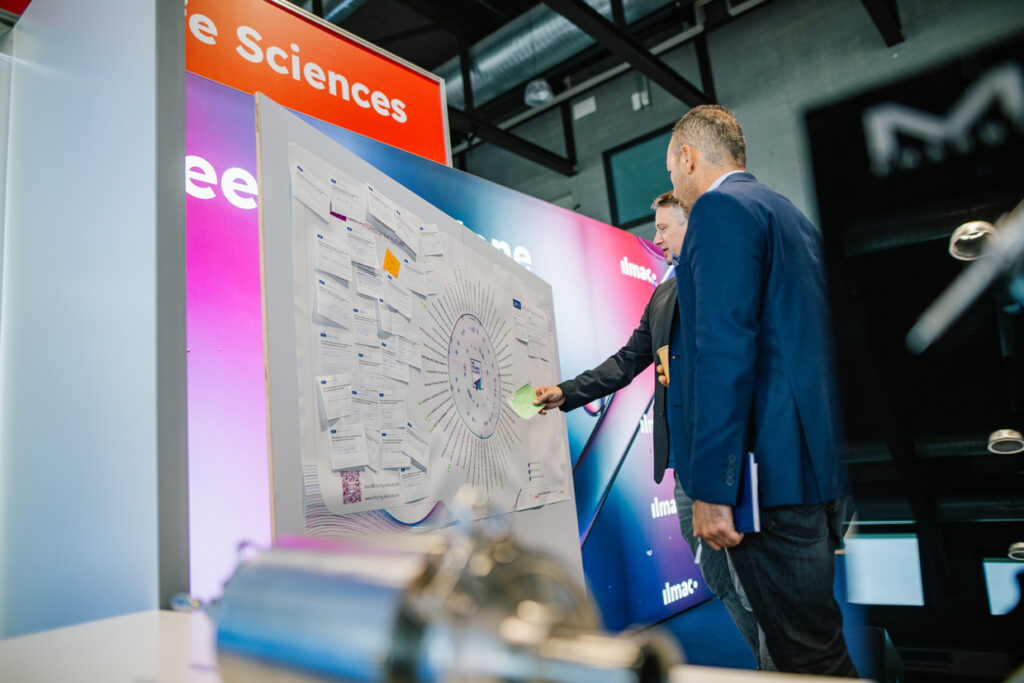
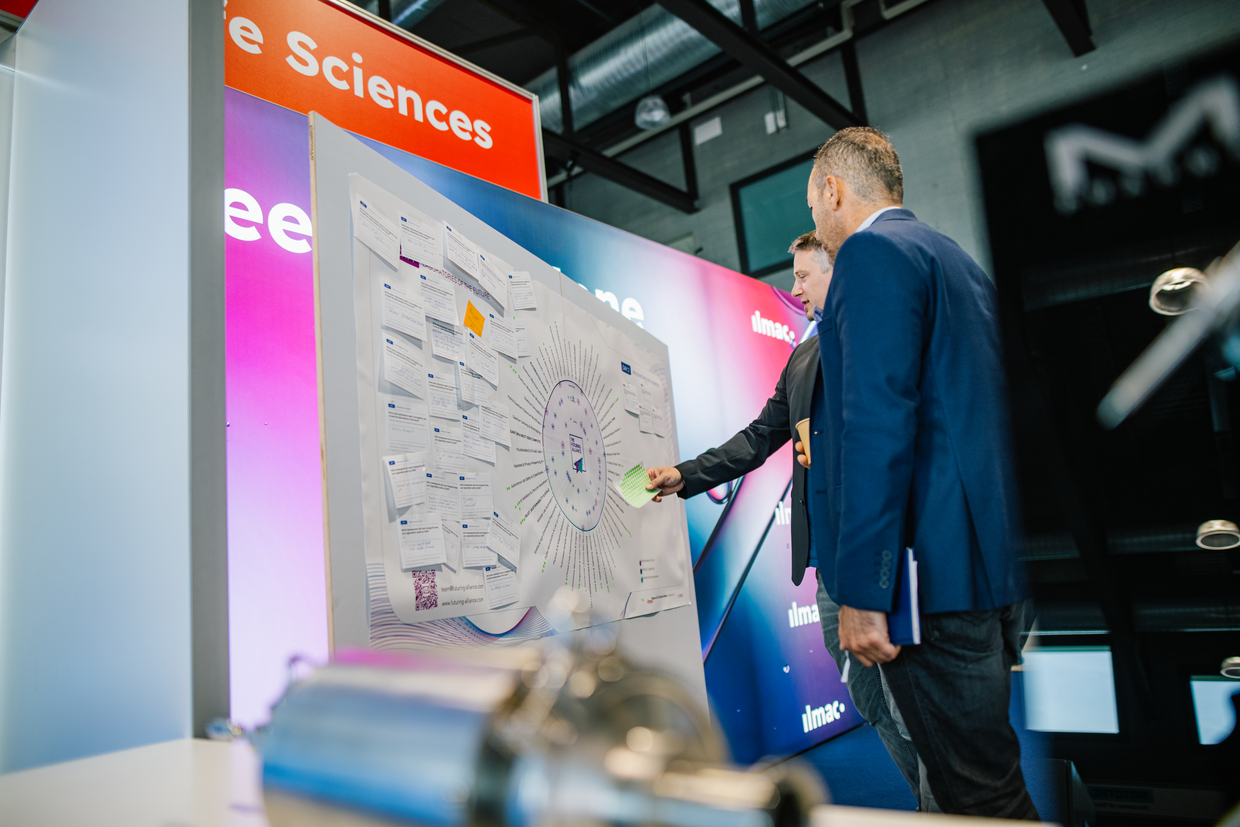
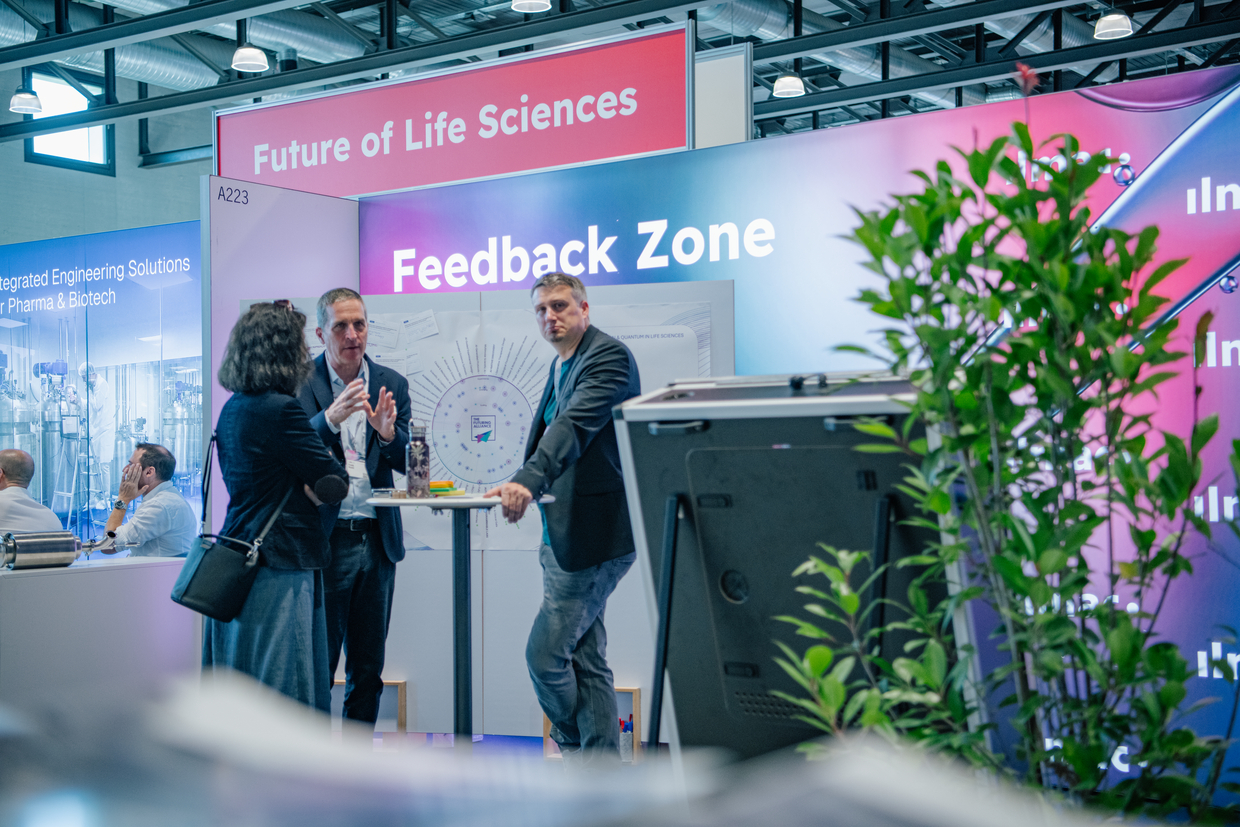
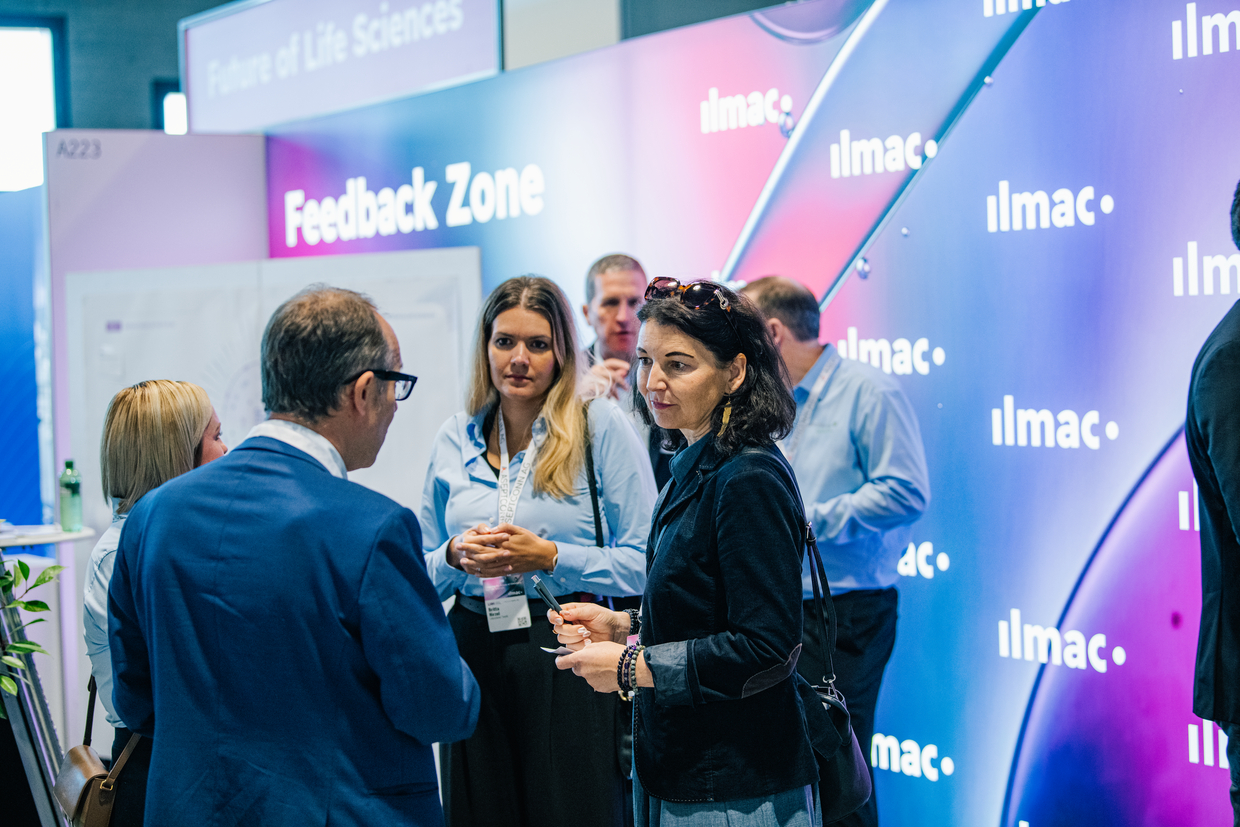
We also explored these hypotheses through perspectives from the Ilmac community. Visitors responded to the Trend Radar, contributed written perspectives and discussed what the developments could mean for their organizations and for Switzerland. In the sections that follow, “priority signals” refers to the developments visitors selected or emphasized through the Trend Radar. Together, the inputs add an important layer: where technological signals intersect with the capabilities, infrastructure and collaboration needed to act on them.

Laboratories of the Future: From Facilities to Innovation Infrastructure
The future: eight hypotheses and a 2040 vision
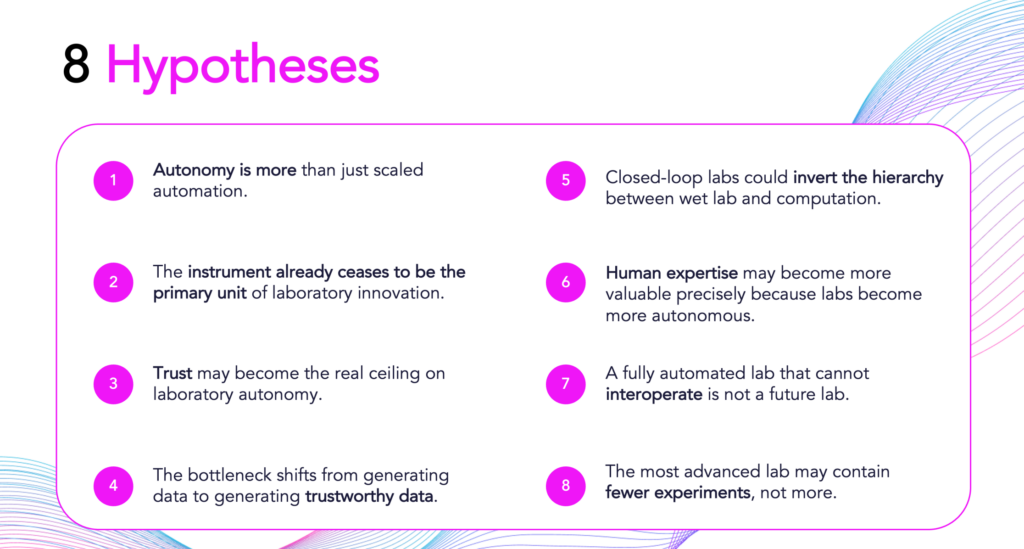
- 1. Autonomy is more than just scaled automation.
- 2. The instrument already ceases to be the primary unit of laboratory innovation.
- 3. Trust may become the real ceiling on laboratory autonomy.
- 4. The bottleneck shifts from generating data to generating trustworthy data.
- 5. Closed-loop labs could invert the hierarchy between wet lab and computation.
- 6. Human expertise may become more valuable precisely because labs become more autonomous.
- 7. A fully automated lab that cannot interoperate is not a future lab.
- 8. The most advanced lab may contain fewer experiments, not more.
Together, these hypotheses suggest a bold picture for 2040. A scientist defines a question and the limits within which a system can work. Models help select the most informative experiments. Modular equipment carries them out, records the conditions and checks the quality of the results. Each result informs the next decision. Shared facilities give teams access to capacity and expertise they could not easily build alone. Scientists still decide which questions matter, investigate surprises and judge whether the evidence is strong enough to act on.
What is happening today
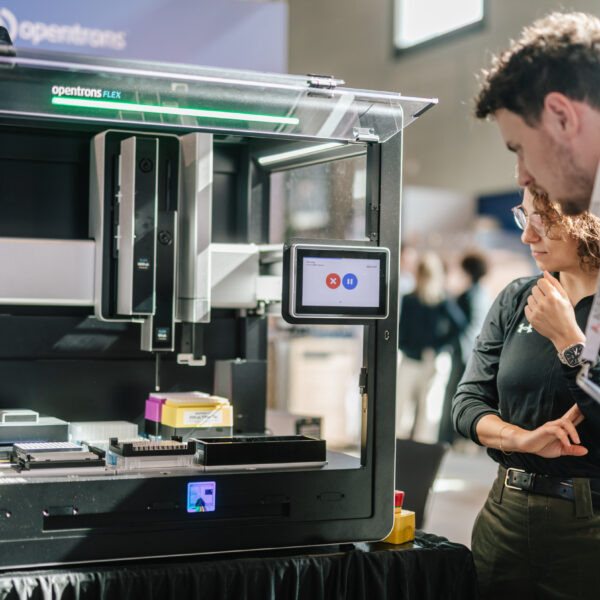
Physical automation, data capture and reporting are beginning to connect across some laboratory workflows. Digital twins can make operations more visible. Ready-to-use facilities and shared services can help young companies start experiments sooner, while allowing scientists to focus more of their effort on research and interpretation.
The Ilmac community’s priority signals paired interest in laboratory digital twins and connected instruments with a demand for traceable data and validated results. Additional community input extended the ambition to continuous manufacturing, real-time release and process monitoring. It also emphasized common standards, trained people, quality management and cooperation between research and industry. Together, these signals suggest a closer link between laboratories and production. They are directional inputs, not an industry-wide ranking.
Obstacles-and how to address them
Disconnected systems make every new instrument or software link a custom project. Laboratories need common interfaces, usable data descriptions and a clear record of where each result came from. Interoperability should be built into procurement and design decisions, not added after installation.
Automation can reproduce a weak workflow at greater speed. Teams should start with the scientific decision they want to improve, then redesign the steps, data and quality checks around it. Standardize what must be repeatable while leaving room to explore unexpected findings.
Technological transition and capability development need to evolve together. Scientists, engineers, data specialists, operators and quality teams increasingly need to learn across domains and design systems together. This was also visible in the Ilmac community input: some visitors wanted to prioritize upskilling and preparing people for the transition, although these dimensions were not sufficiently represented as selectable signals on the Trend Radar. Hybrid capabilities, learning and collaboration therefore need to be treated as part of the transformation infrastructure alongside robotics, data and physical laboratories. Training, clear decision rights and incentives for collaboration matter as much as robotics. Shared facilities also need transparent rules on access, data and intellectual property.
Switzerland’s position
The Ilmac community input identified Swiss strengths in research, precision, life sciences talent and quality. These are perspectives on a promising starting position, rather than a measured international ranking. Switzerland could turn them into an advantage by making connected, trustworthy laboratory infrastructure easier to access across institutions and companies.
That requires action now: shared test facilities, practical data standards, flexible laboratory spaces and stronger links between academia and industry. Hybrid skills in biology, engineering, data and operations should be developed alongside the physical infrastructure. Collaboration is especially important when no single organization can build every capability itself.
What this means for companies
Choose one important workflow and map the handoffs between people, instruments and data. Measure the time from question to reliable result, along with reproducibility and the cost of getting started. Decide deliberately what to own, what to share and what to obtain as a service. Involve the people who will run the laboratory before committing to its architecture.
AI & Quantum Across the Life Sciences Value Chain: From Experimentation to Impact
The future: eight hypotheses and a 2040 vision
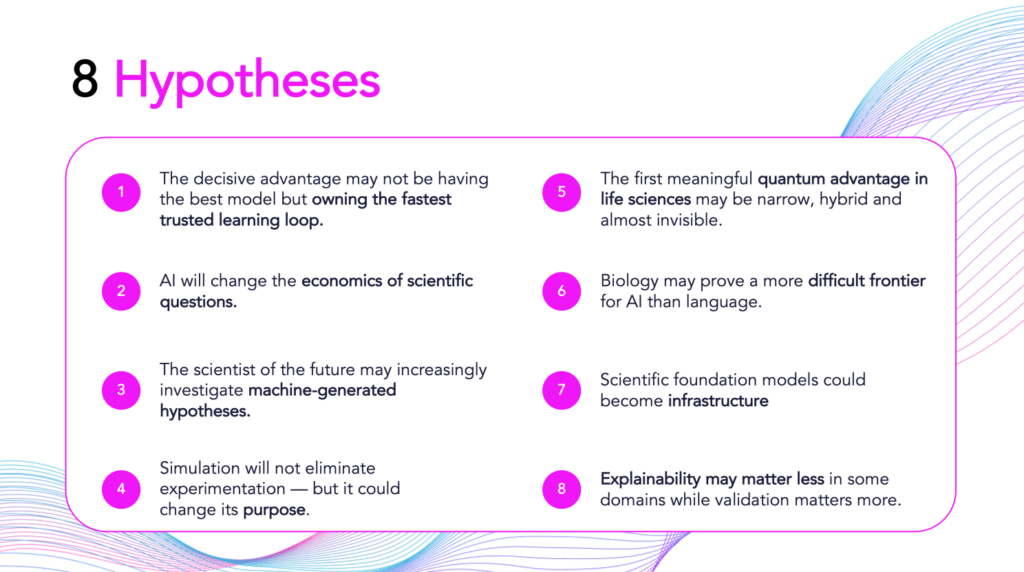
- 1. The decisive advantage may not be having the best model but owning the fastest trusted learning loop.
- 2. AI will change the economics of scientific questions.
- 3. The scientist of the future may increasingly investigate machine-generated hypotheses.
- 4. Simulation will not eliminate experimentation—but it could change its purpose.
- 5. The first meaningful quantum advantage in life sciences may be narrow, hybrid and almost invisible.
- 6. Biology may prove a more difficult frontier for AI than language.
- 7. Scientific foundation models could become infrastructure.
- 8. Explainability may matter less in some domains while validation matters more.
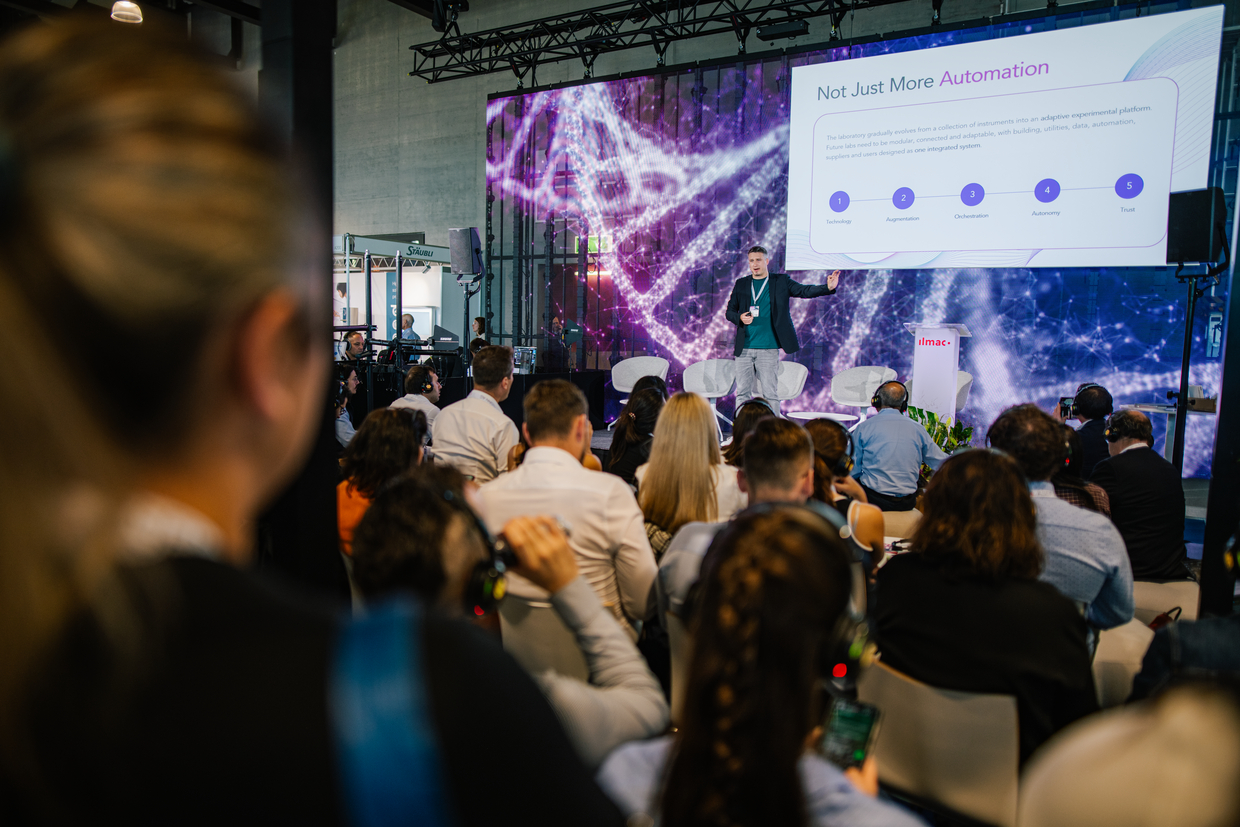
Imagine a discovery system in 2040 that connects sensing, models, simulation, physical experiments and learning. AI proposes promising directions; scientists challenge them and design decisive tests. Quantum methods contribute where they solve a specific problem better within a hybrid workflow. Further along the value chain, manufacturing teams use connected evidence to adapt production, while clinical teams use well-governed tools to improve decisions and patient outcomes. Each step depends on reliable data and accountable human judgment.
What is happening today
AI already helps some research teams select experiments and learn from the results. Work in protein engineering shows the value of internally generated data and repeatable design–test cycles. AI also has potential in manufacturing, logistics and care, but moving from a successful pilot into routine, regulated work exposes missing data context, outdated procedures and unclear ownership.
The Ilmac community’s priority signals paired interest in AI target identification with validation across the technology’s life cycle. Additional community input also raised integrated data, trust, adoption and the need to translate research into use. The common thread is turning promising tools into dependable decisions. In healthcare, the meaningful test is whether an application helps a clinical team make a better decision at the right point in a care pathway—not simply whether a model produces a convincing score.
Quantum research adds another promising route. Focused work on molecular modeling, sensing and selected optimization problems can help reveal where hybrid quantum and classical approaches may be useful. The value of each application still needs to be demonstrated against strong existing methods.
Obstacles—and how to address them
AI cannot learn reliably from data without context. Organizations need to capture how results were produced, make relevant knowledge usable and check findings against reproducible experiments. Published and internal data both require scrutiny. In clinical use, validation must be accompanied by transparency for professionals, monitoring and a route for human review.
Pilots do not scale by themselves. AI has to fit scientific procedures, quality systems and the work of the people using it. Start with a real decision, name an operational owner and define the expected benefit before development. Plan for privacy, security, bias, regulatory requirements and continued performance checks from the outset.
Quantum must cross the “valley of death” between early research and practical deployment. Better hardware and algorithms remain important. Progress also needs industry-defined problems, shared test facilities, specialist teams and funding that supports demonstration and validation through later technology readiness levels. Each project should show where it adds value alongside a strong classical approach.
Switzerland’s position
Switzerland can draw on its research base, pharma and medtech industry, technical talent and experience with demanding quality requirements. The Ilmac community input described strength in early research and in companies closer to deployment, while raising concern about funding and demonstrating work through the middle stages. This is a strategic perspective, not a quantified national comparison.
The immediate agenda is to connect data and expertise across institutions, support projects through the middle stages of development and bring scientific, engineering, clinical, regulatory and commercial skills together. The Ilmac community input specifically called for translational models, more investment and greater willingness to support riskier innovation. For quantum, shared demonstrators and sustained, staged funding could help teams move from early technology readiness toward tested applications. For AI in health, providers, technology teams and regulators need to design for real care pathways and measurable outcomes.
What this means for companies
Start with a consequential bottleneck in discovery, manufacturing or care. Establish the current baseline, the decision to improve and the person accountable for the outcome. Build a repeatable cycle between models and experiments; involve users and quality teams early. Treat quantum as a focused development portfolio with clear technical milestones and industry use cases. Judge progress by better decisions, reliable operations or patient benefit, rather than the number of pilots launched.
Conclusion: Build the capacity to translate
Connected laboratories, AI and quantum are parts of one evolving system. Laboratories generate reliable experimental evidence; AI can help decide what to test next; quantum may add value to selected problems. People set the direction, assess the results and carry useful advances into practice.
Taken together, the Ilmac community input points to a broader shift from automation toward orchestration: connecting technologies, data, experimental evidence, workflows, governance and human expertise into systems that can learn and adapt. Switzerland’s opportunity is therefore to make the journey from research to trusted implementation a repeatable capability. It calls for shared infrastructure, connected data, multidisciplinary talent, trusted governance and support through demonstration and adoption. The path to 2040 remains uncertain, so companies need to make foresight part of strategy: revisit these hypotheses, explore different futures and use emerging evidence to guide decisions on skills, partnerships and investment. They can begin with a defined problem, a team accountable for it and a clear measure of what improves.
Acknowledgments
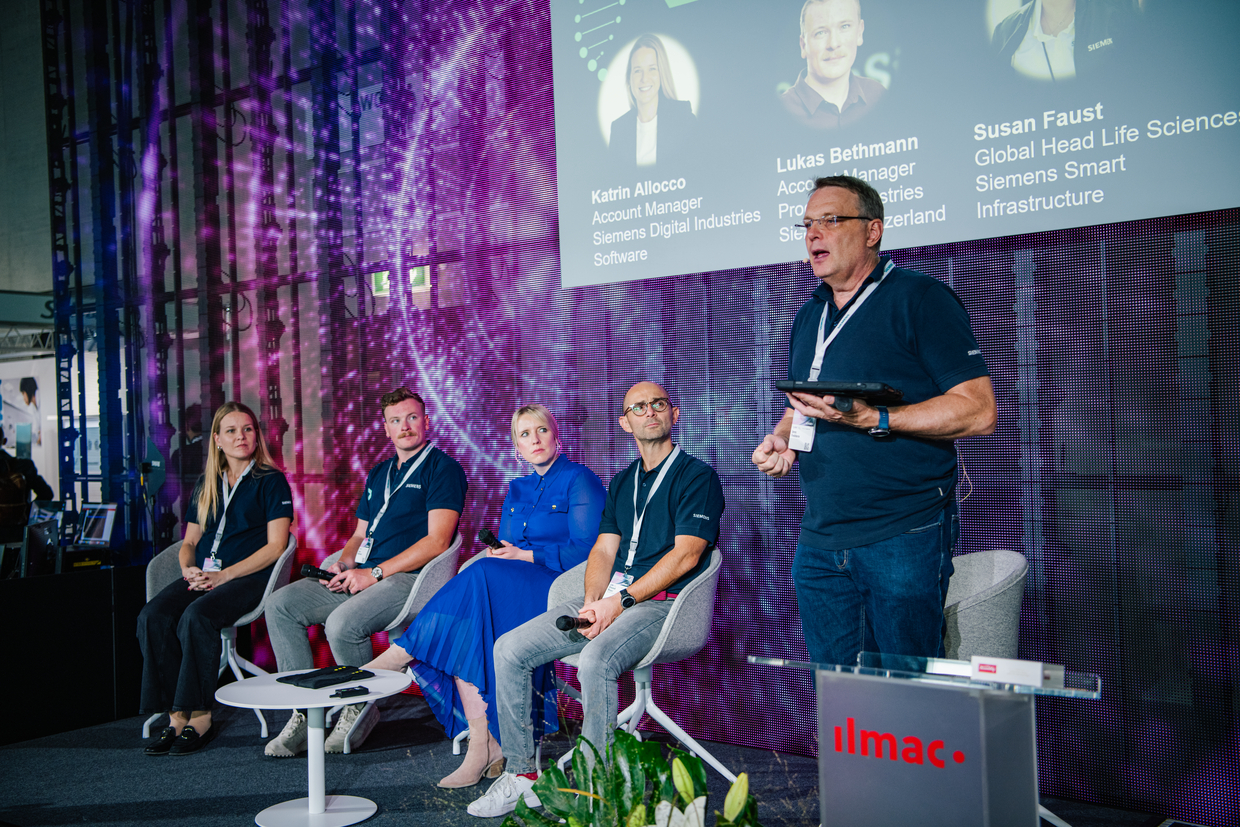
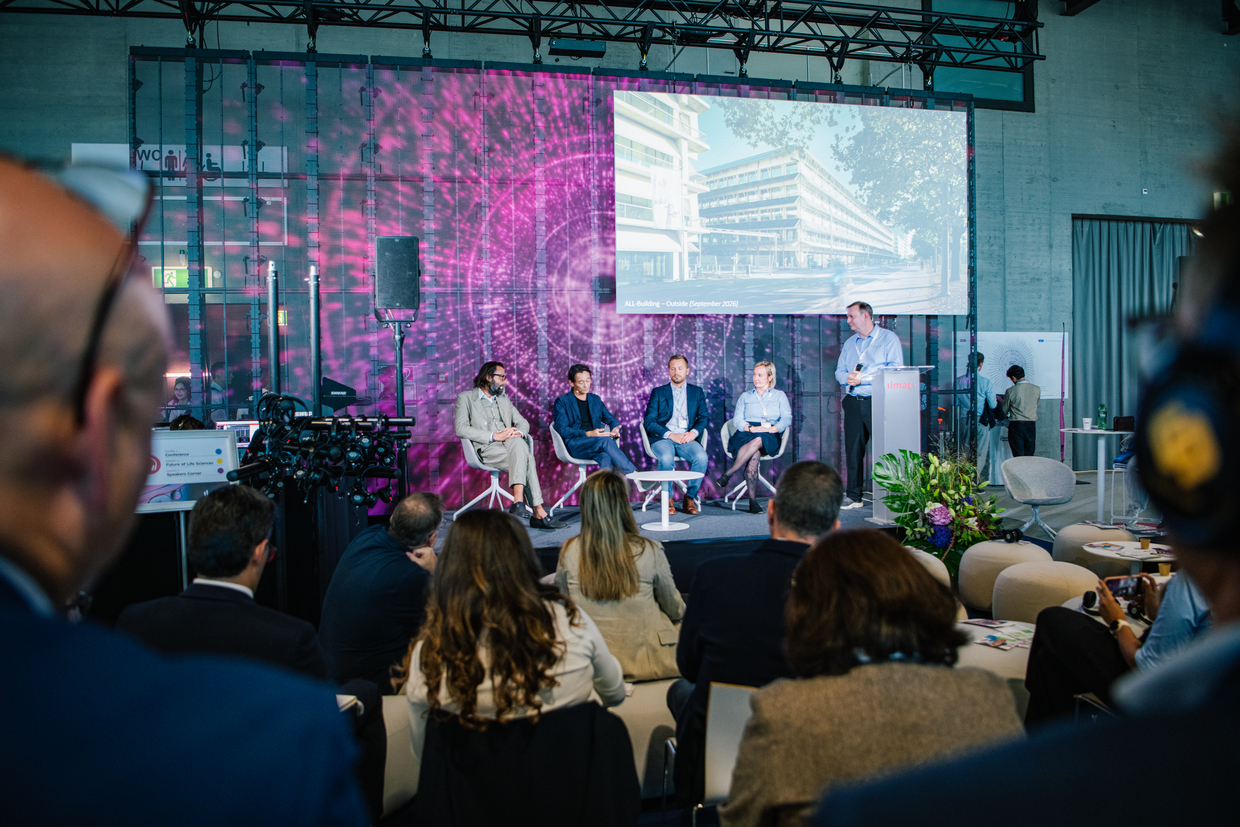
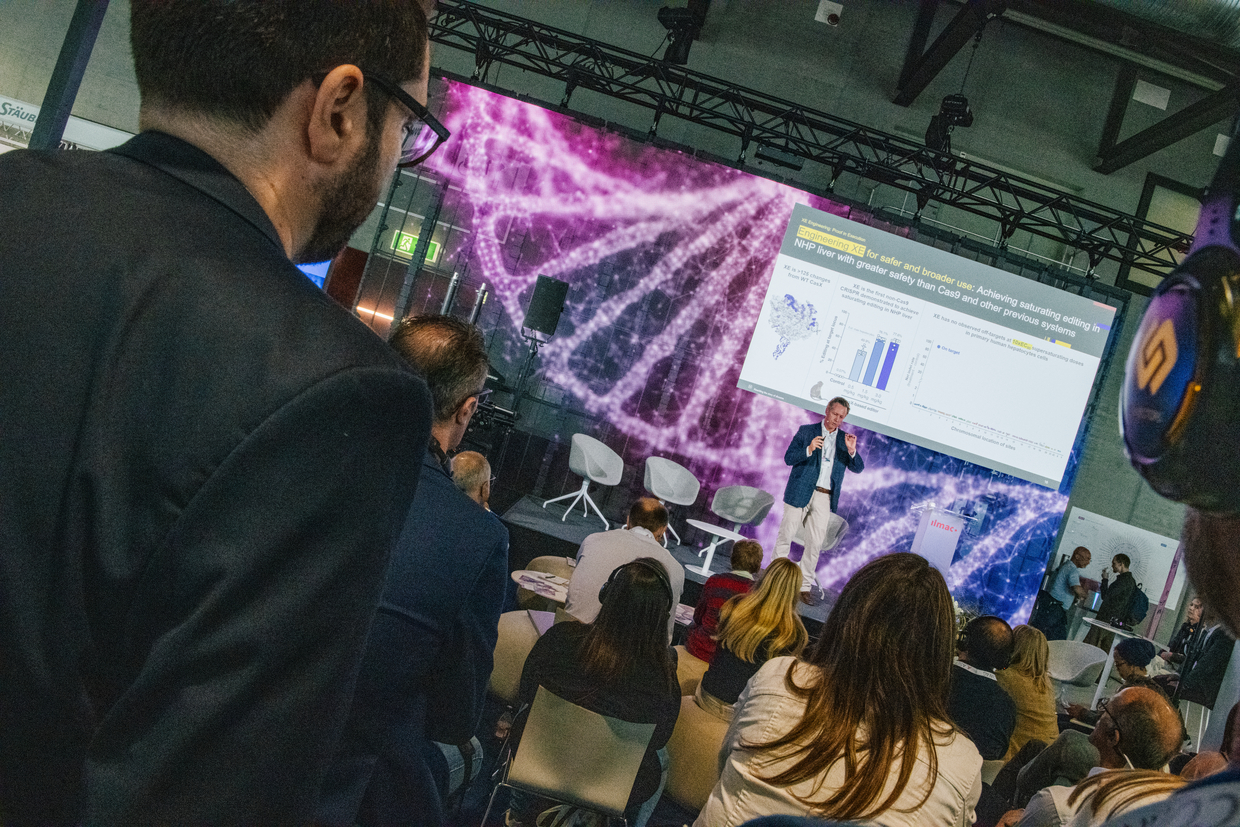
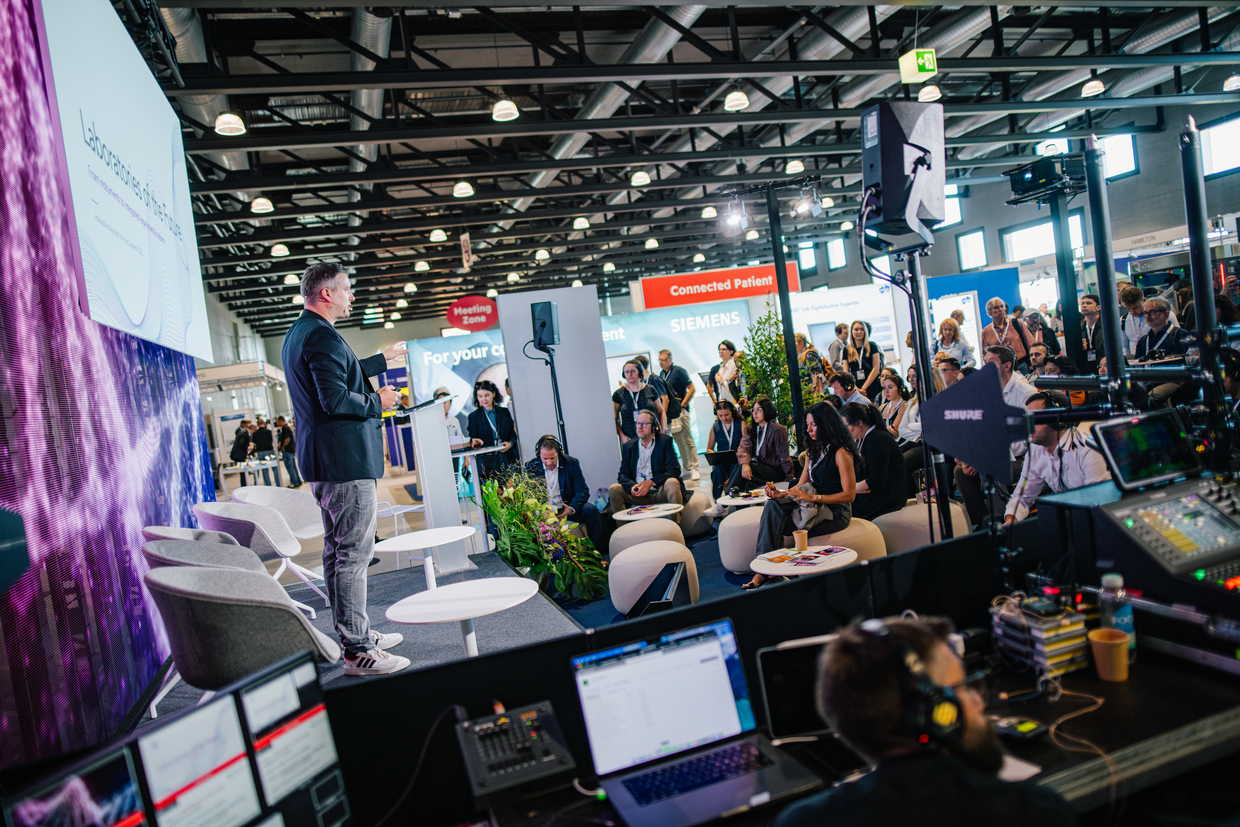
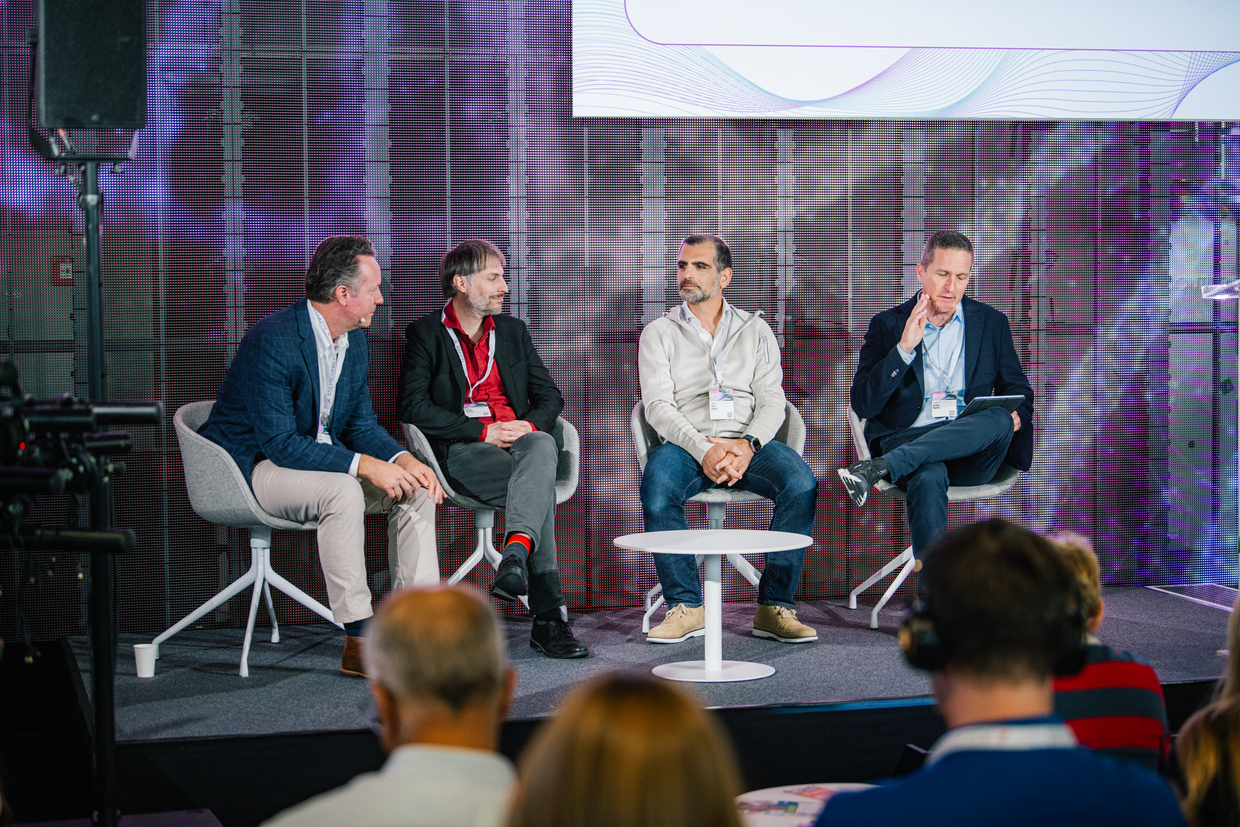
Thank you to everyone who joined us in the Future of Life Sciences area and to all those who stopped by the booth to explore and discuss our Trend Radars. We are especially grateful to all the panelists for sharing their expertise, perspectives and questions. We look forward to continuing the conversation at Ilmac 2027 in Basel!
The panelists: Jens Feddern, Tom Kissling, Vincent Revol, Cornelia Steinhauer, PhD, ZHANG Xi, Dr. Kevin Keim, Nasri Nahas, Brett Staahl, Julien Baglio, Ph.D., Sam Khalil, David Braun, Rado Andrian
Report by The Futuring Alliance,
Frank Kumli, Nicole Loeser and Sebastian Baumann
Source: Life Sciences in 2040: Insights from Ilmac Lausanne 2026 on Turning Science Into Impact | LinkedIn