Laboratories and Infrastructures of the Future: What Truly Makes a Difference


What do laboratories that genuinely ease daily work look like? Modern infrastructure combines flexibility, digitalization, and sustainability. The Future of Life Sciences Area at Ilmac Lausanne demonstrates how these approaches are being implemented today and will continue to shape the future.
The future-readiness of a location is not determined by its size, but by its adaptability in everyday operations. Modern laboratory and production infrastructure must be efficient, safe, and sustainable – above all, it must tangibly support the people working in labs to perform better. This is the critical lever for driving innovation in chemistry and life sciences.
Increasingly, how such infrastructures are conceptualized and implemented is no longer just about individual technologies, but about the interplay of laboratory, production, digitalization, and organization, as well as the discussion of key future-oriented questions on the stage of the Future of Life Sciences Area. This holistic perspective is the focus of the Area, which will be realized for the first time at Ilmac Lausanne in 2026.
From Static Spaces to Adaptive Work Environment
In many laboratories, fixed room structures, complex renovations, and lengthy downtimes still dominate daily operations. At the same time, projects, methods, and teams are changing at an ever-faster pace. Future-ready locations therefore rely on modular concepts: standardized room grids, mobile utility supply systems, or flexibly zoned safety and cleanroom areas.
In practice, this means laboratory staff can quickly adapt workstations to new experimental setups without months of planning or renovation phases. For SMEs, this flexibility is crucial, as investments must be scalable without disrupting operations.
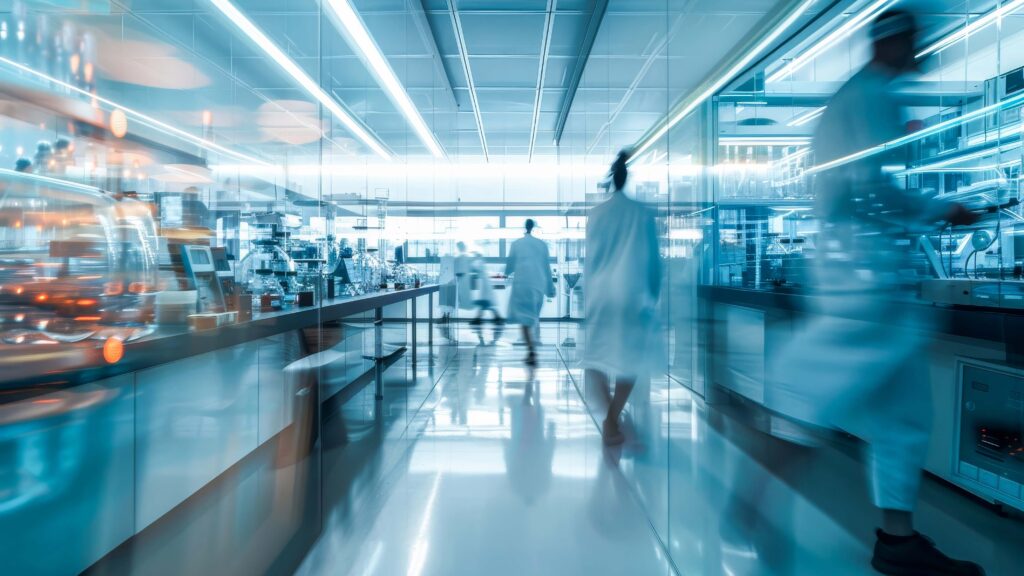
Digitalization, Automation, and the Human at the Core
Digital infrastructure is not an end in itself. Its value lies in whether it measurably improves laboratory operations. Connected sensor systems, integrated lab and building management systems, and digital twins provide real-time transparency over energy flows, equipment status, and space usage.
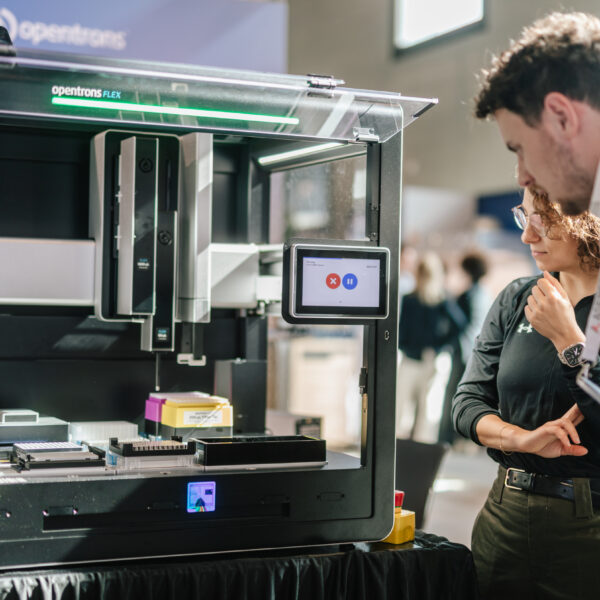
At the same time, automation is increasingly transforming daily work. Repetitive processes can now be systematically removed from manual operations. This frees up time for laboratory staff to focus on analysis, quality assurance, and decision-making – a tangible advantage amid skilled labor shortages and rising regulatory demands.
This interplay between technology, infrastructure, and workplace reality is made tangible in the Future of Life Sciences Area: it brings together solutions across the entire value chain – from research and development to production and digital operating models – and showcases them through concrete applications.
Sustainability as an Integral Part of Modern Infrastructure
Laboratories are among the most energy-intensive building types. Future-ready infrastructure therefore targets the areas with the greatest impact: ventilation, cooling, compressed air, and heating. Demand-driven systems, smart control strategies, and heat recovery reduce emissions as well as operating costs. Additionally, circular construction and installation concepts are gaining importance, enabling renovations with less waste and shorter downtimes.
From Theory to Application

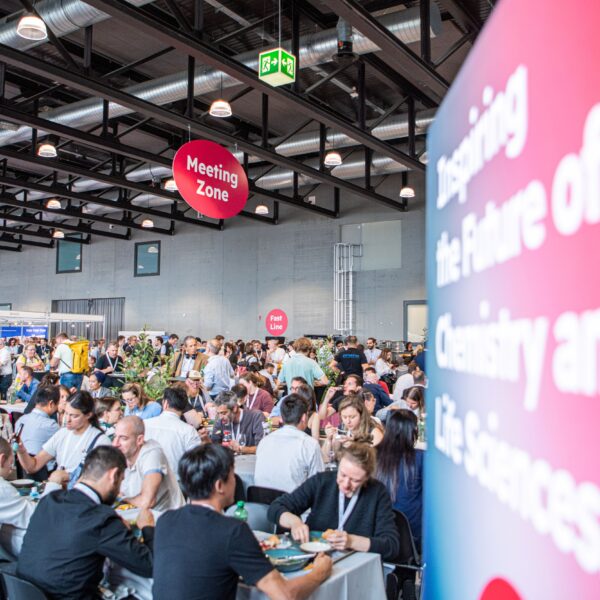
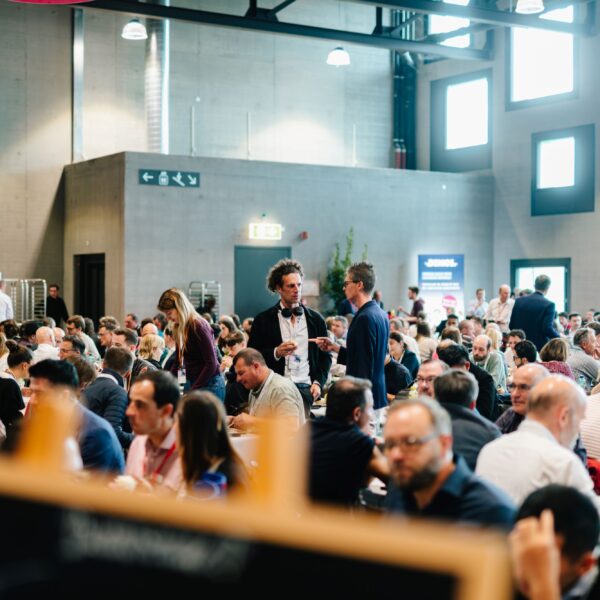
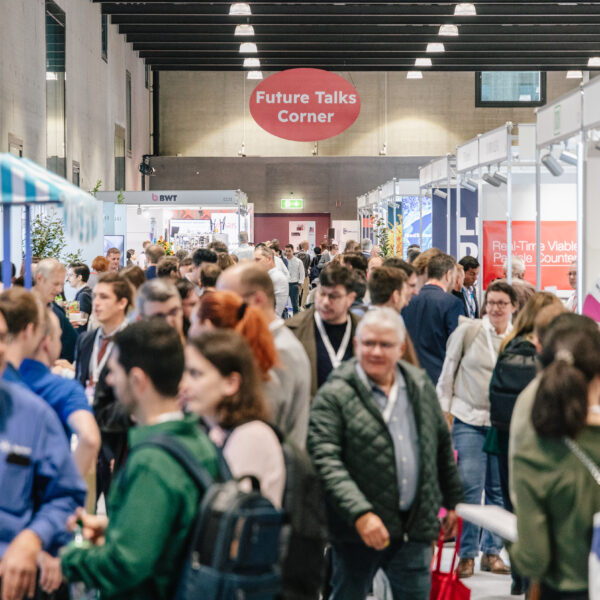
How these approaches are already being implemented today will be on display at Ilmac Lausanne from September 23 to 24, 2026. In the Future of Life Sciences Area, trends are not examined in isolation; instead, solutions are presented in context, showing how digital infrastructure, automation, and sustainable building concepts work together.
Visitors will gain well-founded insights into:
- How daily laboratory work is transformed by new infrastructure and automation concepts.
- Which approaches are realistic and scalable for SMEs.
- How compliance, efficiency, and sustainability can be integrated.
Starting in April, the program of the Future of Life Sciences Area will provide detailed insights into the planned content. Companies such as Siemens, H.Lüdi, and QPS are already on board, presenting practical applications. Among them is a laboratory robot that illustrates how automation is concretely applied in lab operations today. The Area is being developed in collaboration with key partners, including The Futuring Alliance, Siemens, HDI, Laborplaner Tonelli, and exhibitors at Ilmac.
With Ilmac 365, the platform also offers relevant content, updates, and networking opportunities for the community throughout the year, beyond the on-site Ilmac event. Starting in April, the exhibitors of Ilmac Lausanne and initial program highlights for the fall will be available on the platform. At the same time, ticket sales will begin through the online ticket shop.