Basel: Small in size – Large in life science
The northwestern corner of Switzerland offers a unique life science ecosystem, with a great mix of startups and global big pharma in close by.
The Basel area, located by the Rhine River at a point where France, Germany, and Switzerland converge, has a long and interesting history of life sciences. For over 500 years the pharmaceutical and chemical industries have emerged and flourished here and the region has become well-known for chemical products, big pharma, and its skilled workforce. For example, the region is famous for synthesizing lysergic acid diethylamide (LSD) for the first time (by chemist Albert Hofmann at Sandoz in 1943), the first HIV protease inhibitor (developed by Roche), and Letrozole in cancer therapy (developed by Novartis).
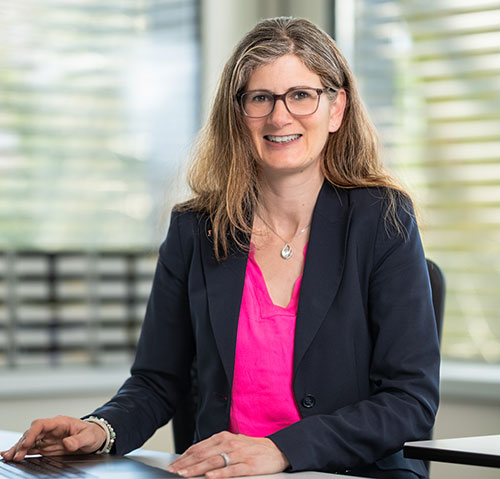
“From the strong guild of pharmacists in the late Middle Ages, and the humanistic anatomists and printers who spread medical and pharmaceutical knowledge from the city, to religious refugees, innovative personalities, and later industrialists from France who came to the region, this has been a place of continuous development,” describes Deborah Strub, Member of the Management Board at Basel Chamber of Commerce and Head of Department Cluster & Initiatives.
Deborah Strub and her colleagues promote exchanges between companies and organizations along the entire life sciences value chain, as well as with policymakers, administrations, and the public.
Proximity is key
Today the Basel region is home to about 800 life science companies and approximately 33,000 employees, representing 7.2% of the total workforce in the region. Around 28,000 employees work in the city’s significant pharmaceutical industry, corresponding to 61% of all those employed in the Swiss pharmaceutical industry.
There are currently several big pharma companies here, including the above-mentioned Roche and Novartis that have their global headquarters here. But there are also other multinational companies based here, like Bayer, Boehringer Ingelheim, Johnson & Johnson, and the mRNA pioneer, Moderna.
The region accounts for 51.7% of the total life science exports from Switzerland and more than a third of regional gross value added, corresponding to CHF 25.6 billion. Basel’s life science industry has more than 350 drugs in clinical development and counts 235 patent applications per capita, making it one of the most innovative regions in Europe.
In Basel you will also find famous biomedical research institutes like the University of Basel (the country’s oldest, founded in 1460), ETH Zurich, Friedrich Miescher Institute for Biomedical Research, and Botany Institute of Immune Engineering. There are about 13,500 university students here.
That’s quite impressive for a rather small city with about 190,000 inhabitants (about 200,000 in the region of Basel city, Riehen, and Bettingen) and a total area of 37 square kilometers. And it seems that this is actually one of its greatest advantages – a small size enables easy access and good mobility.
“The regional proximity to prominent life science research conducted at universities and research institutes, as well as the proximity to clinical research at the university hospitals, is unique and essential for innovation,” says Strub.
“Basel is a strong life sciences region with a unique ecosystem. From basic research to applied research, production, marketing, and distribution, as well as application in top-level medicine, all players are united in close proximity. We have a good mix of startups and large multinational companies,” she adds.

Quantum Computing and Big pharma
One recent life science highlight from the region is the launch of QuantumBasel by uptownBasel (an international center of excellence for Industry 4.0) in 2023, aiming to democratize access to quantum computing.
“This competence center for quantum computing and AI promotes access to commercial quantum computing to drive innovation. QuantumBasel places particular emphasis on technological neutrality and it is the first commercial quantum computer hub in Switzerland that provides access to hardware from IBM, D-Wave, and IonQ, which is a strong opportunity especially for the life sciences,” describes Strub.
The region also recently became home to world-leading generic pharmaceutical company Sandoz’s new global headquarters, 13 months after its IPO and spin-off from Novartis.
“Sandoz is proud of its deep roots in Switzerland, dating back to 1886, and we remain committed to our home base Basel,” stated Gilbert Ghostine, Chairman, Sandoz, at the time of the inauguration. “Basel is not only a vibrant center for the life science industry, but also attracts an exceptional pool of talent and expertise.”
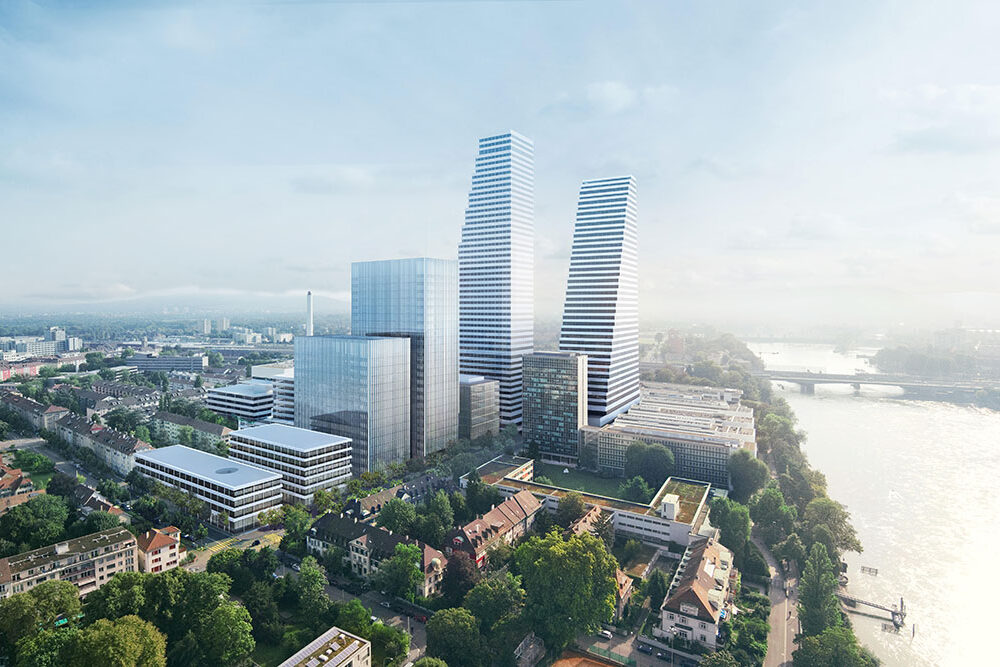
Roche and Novartis have also played a great part in putting Basel’s life science industry on the global map and attracting talent to the region. Roche’s Pharma Research & early Development (pRED) Center at The Roche Towers, designed by Herzog & de Meuron, has become a modern landmark of Basel and brings the company’s research community under one roof.
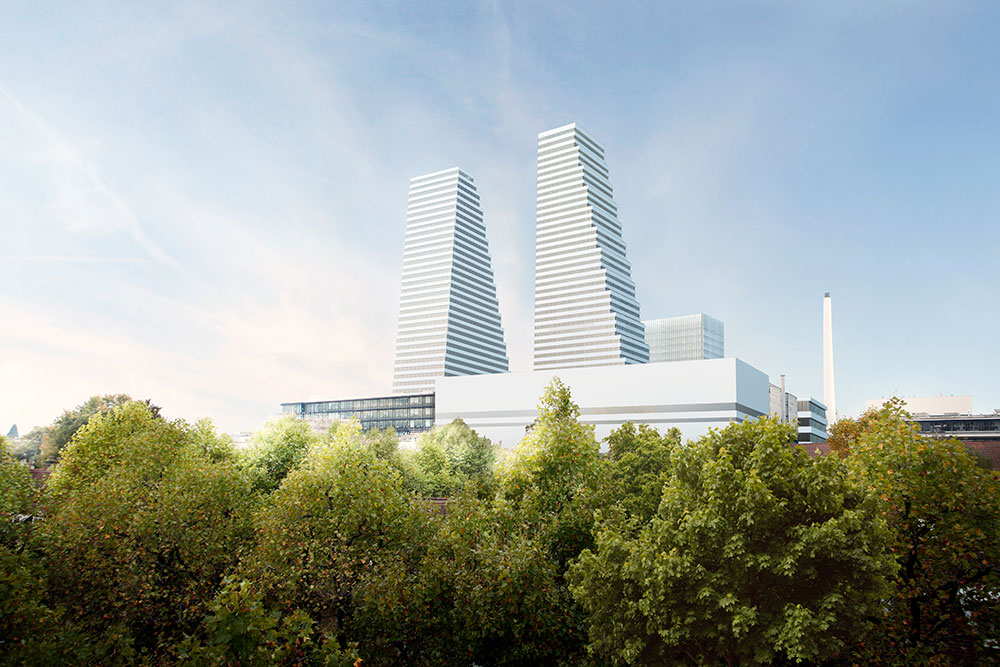
And not just any roof, the two skyscrapers are the tallest office buildings in Switzerland. The workspaces have been designed so that laboratories sit side-by-side with office spaces to maximize science, innovation, and collaboration, states the company, and today, about 1,800 scientists, clinicians, engineers, and technicians from almost 60 nations work here.
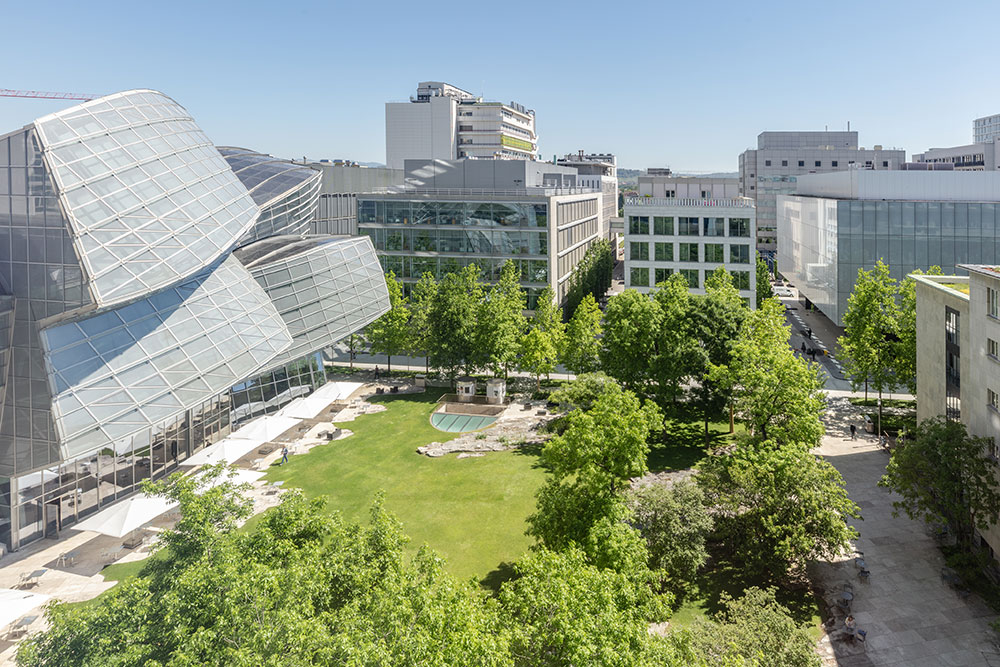
Novartis has, through its Novartis Campus, also contributed to the development of Basel’s life science community. The Campus opened to the public and external companies in 2022 and since then, various operations have moved their operations there, including biotech companies and renowned research institutes.
“What we are finding here is a vibrant ecosystem of so many different startups as well as as established companies. Being on the Novartis Campus has its unique attractiveness: where else in the world can you be at the headquarters of a leading pharmaceutical company?” stated Stefan Suter, Head of Holmusk Europeovartis, to Switzerland Innovation.
Venture capital and the EU
One of the central challenges, especially for the development of young life science companies in Basel, according to Strub, is the limited availability of venture capital for fast-growing companies (scale-ups).
“Another challenge is the multitude of regulations and directives that have become so extensive that many researchers and lecturers have to deal with them at great time cost. This is stifling innovation, but it is not only a Swiss problem, but a pan-European issue,” says Strub.
A key for a thriving life science industry in Basel is stable relationships with the EU, notes Strub. “So that the industry has access to the EU market, skilled workers, and to the European international research program Horizon Europe. The EU is the most important trading partner,” she empasizes.
US tariffs
In August the Trump administration announced a tariff rate of 39% on Swiss goods – more than double that negotiated with the European Union, and amongst the highest globally. The pharmaceutical industry was not included but Trump threatened tariffs of over 200% on pharmaceuticals. Trump delivered ultimatum letters demeaning binding commitments to lower US drug prices by September 29.
“This threat generates a deal of uncertainty, especially for the pharmaceutical location Basel,” emphasizes Strub.
On September 25, Donald Trump announced a plan to impose 100% tariffs on branded or patented pharmaceutical products starting October 1, unless production is relocated to the US. To date, this announcement has not been enforced. Roche and Novartis have science then, announced substantial investments in US facilities, likely a strategic move to mitigate exposure. However, Switzerland’s smaller developers face a more uncertain future.
Thomas Schinecker, CEO at Roche, recently gave a statement and admitted that there is still a great deal of uncertainty at the moment and that they are trying to prepare for many different scenarios. Roche has announced that it would invest USD 50 billion in research and production in the US over the next few years.
66 years of idea exchange and networking
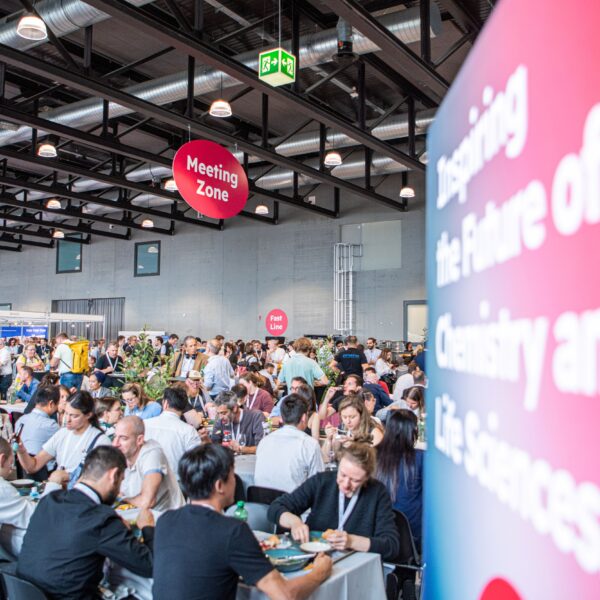
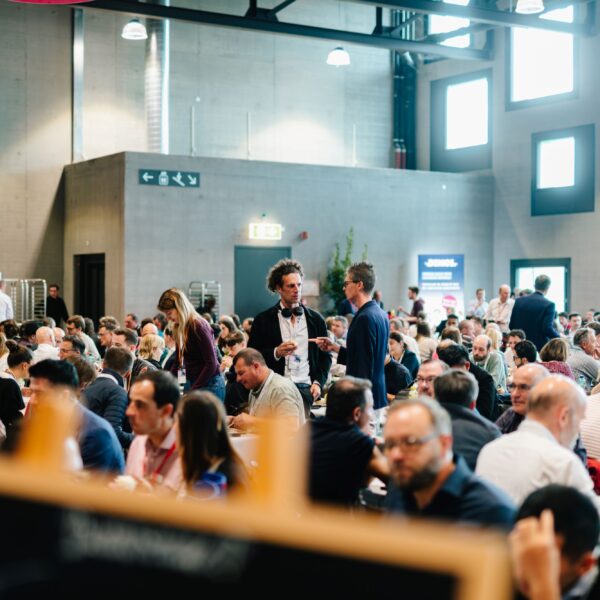
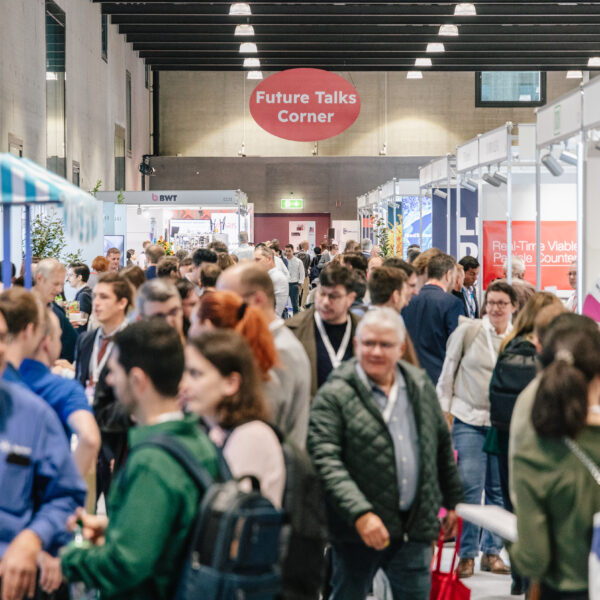
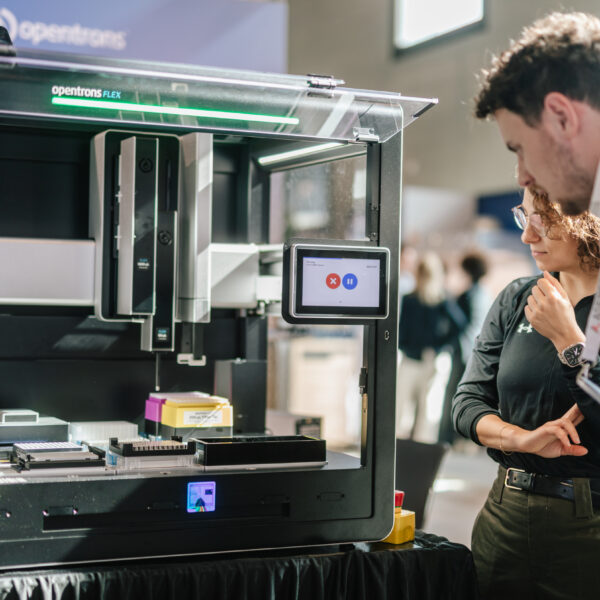
On September 16-18, Switzerland’s largest industry fair Ilmac opened its doors in Basel for its 66-year celebration of gathering the chemical and life science communities. The first event was actually held in Basel in 1959 and since then, Basel and Lausanne have been its two anchor locations.
The event had 12,800 participants and over 400 exhibitors from more than 20 countries showcased their latest products and solutions, while the program fostered idea exchange and networking.
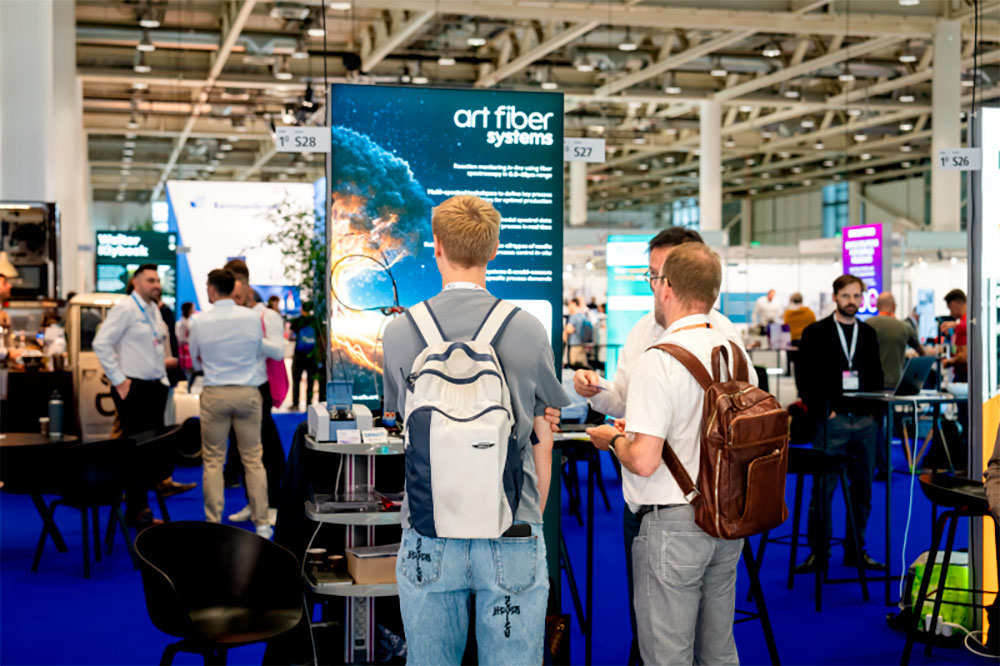
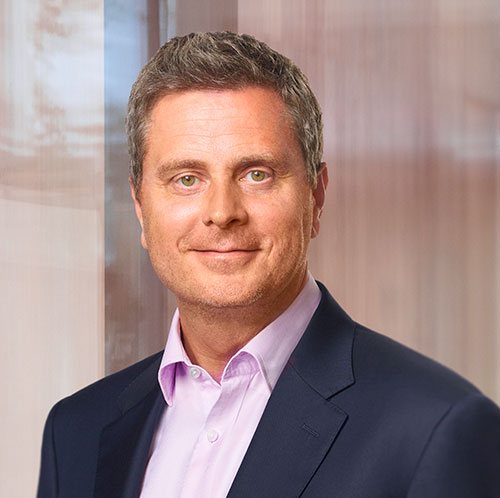
“Basel is a powerhouse of pharmaceutical innovation where two-thirds of the entire pharma value chain is generated. This makes the region one of the most productive life science ecosystems in the world,” says Céline Futterknecht, Exhibition Director at Ilmac.
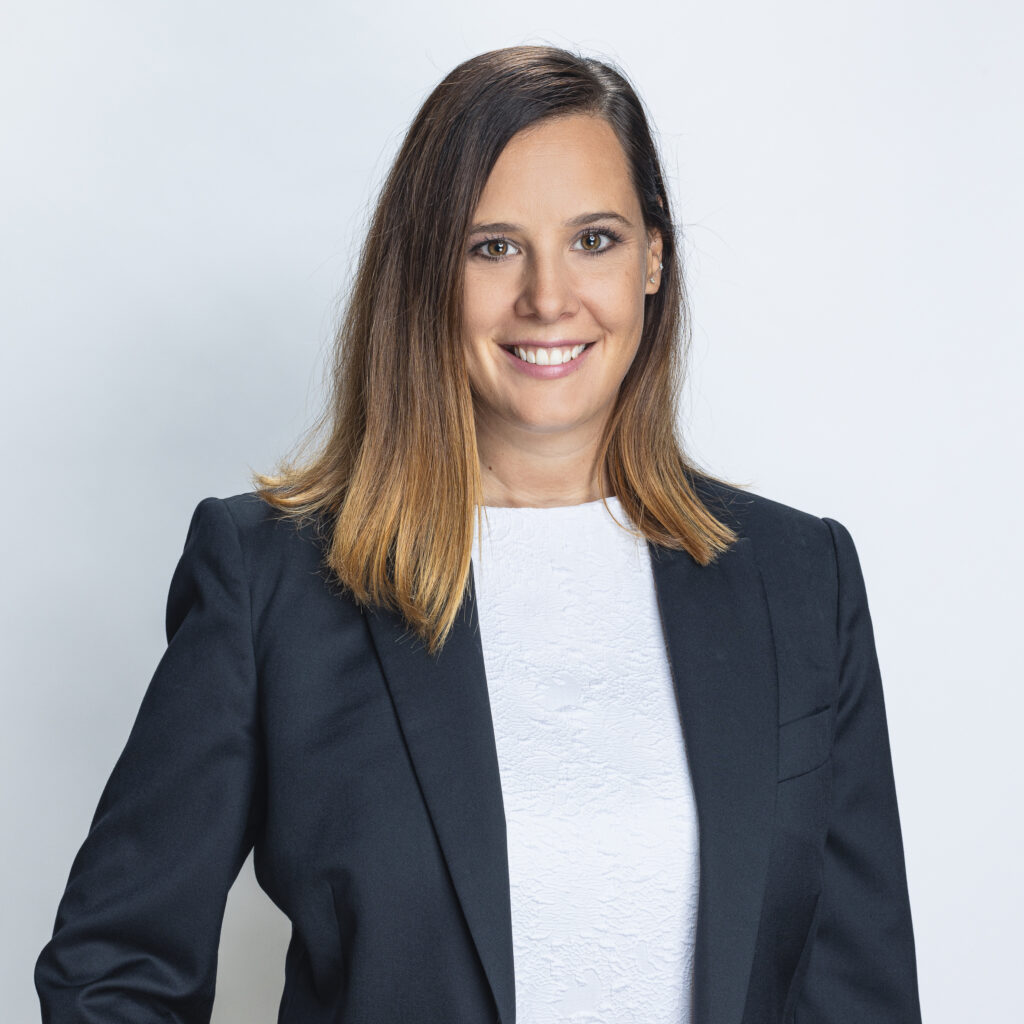
The 2025 edition introduced several new highlights, for example a dedicated space for companies to promote career opportunities and connect with skilled professionals.
Another new initiative was Women in Life Sciences, and of course, the big celebration: Ilmac’s 66th anniversary party.
“In general, as far as Ilmac is concerned, I have noticed a great demand for people (exhibitors and visitors) in this industry to meet and exchange ideas. It is important for the industry to have such an event, especially in this current geopolitical situation,” says Futterknecht.