New Rules Through the EU Sustainability Directive


Logistics with Zero CO₂ Emissions Under the Conditions of Pharmaceutical Regulations
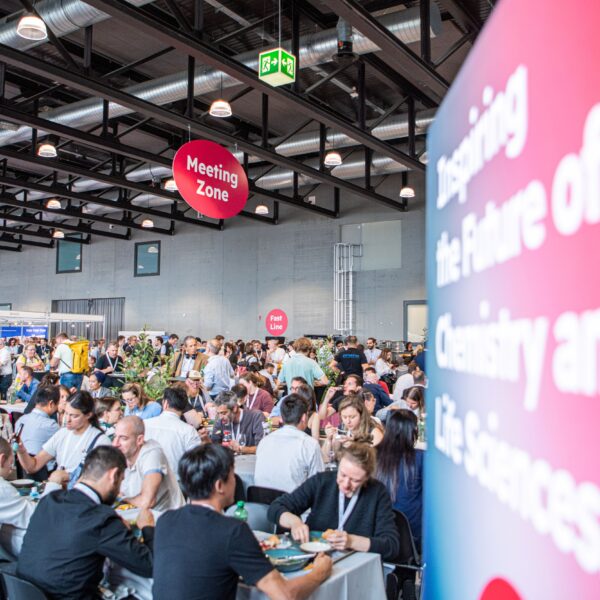
In pharmaceutical logistics, both the efficiency and sustainability considerations of general logistics and the specific requirements of regulations and product needs come into play. Often, the challenge is to strike the right balance between them. How this can be achieved will be showcased at the pioneering industry event in chemistry and life sciences, Ilmac 2025 Basel.
With the European Union’s sustainability directive, the rules have changed. It compels companies to reduce CO₂ emissions—with the ultimate target of “zero emissions.” Only those who genuinely pursue net zero will remain viable in the long run.
One classic “adjustment lever” is goods transportation. The most efficient way forward lies in shortening routes and shifting transport to waterways (e.g., the Rhine). For an accurate CO₂ balance, including route and fuel optimization, CO₂ footprint calculators are now available—such as those based on the EN ISO 14083:2023 standard for greenhouse gas emissions.

Only after optimizing transport routes and modes (e.g., ship instead of truck) do considerations about drive technologies and special fuels come into play—perhaps in the future using ETH Zurich’s “Sun-to-Liquid” technology. This process extracts carbon dioxide and water from ambient air and converts them, with the help of solar energy, into a mixture of hydrogen and carbon monoxide.
The Ilmac venue in Basel reflects the current developments in logistics. Here, road and rail intersect, while the local waterways connect the city to Europe’s largest container ports. In addition, air freight transport begins directly from Basel’s airport.

In the pharmaceutical sector, regulations such as Good Manufacturing Practice (GMP), Good Distribution Practice (GDP) of medicinal products, sterile production and packaging requirements, as well as specific product demands (e.g., adequate cooling during transport and storage) play a decisive role. When a site has already reached capacity limits, solutions such as Basel’s approach—constructing a cool storage facility with two climate zones (2 °C and 20 °C) fifteen meters above an existing logistics center—can provide relief.
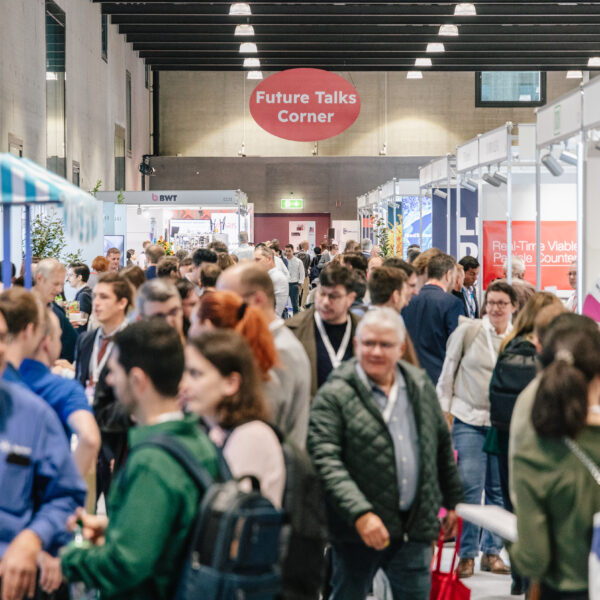
Visitors of Ilmac 2025 Basel will also have the opportunity to attend the Pharma Logistics Days 2025, a three-day special exhibition in Hall 1.0. Here, they will find the concepts, answers, and partners they need to support their logistics challenges. All details about the event, exhibiting companies, and program highlights are available on Ilmac 365, the Ilmac community network: https://365.ilmac.ch/event/ilmac-basel-2025